Cookware care · 3 min read
How to Season a Cast Iron Skillet
Build a thin, durable seasoning layer on bare cast iron. Learn when seasoning is needed, how much oil to use and how to fix a sticky finish.
Read the guideWorld Table / the kitchen notebook
Care for your cookware, fix common cooking problems and discover the small skills behind bread, soups and world cuisines.
Browse all 56 articlesStart here / cookware care
Useful answers. Clear steps.
56 cooking articles
for the curious home cook.
Cookware care · 3 min read
Build a thin, durable seasoning layer on bare cast iron. Learn when seasoning is needed, how much oil to use and how to fix a sticky finish.
Read the guideCookware care · 3 min read
A practical wash, dry and oil routine for cast iron, with advice for stuck food, light rust and sticky residue.
Read the guide
Cookware care · 3 min read
Use sensible preheating, a dry food surface and the right moment to turn. Learn why a stainless steel pan sticks and when a different pan helps.
Read the guideCookware care · 3 min read
Separate burnt residue, mineral marks and rainbow discoloration, then choose a gentle cleaning method suited to stainless steel.
Read the guide
Cookware care · 3 min read
Clean an air fryer without damaging its coating. Follow a safe routine for the basket, crisper plate and accessible interior, and avoid risky cleaning hacks.
Read the guide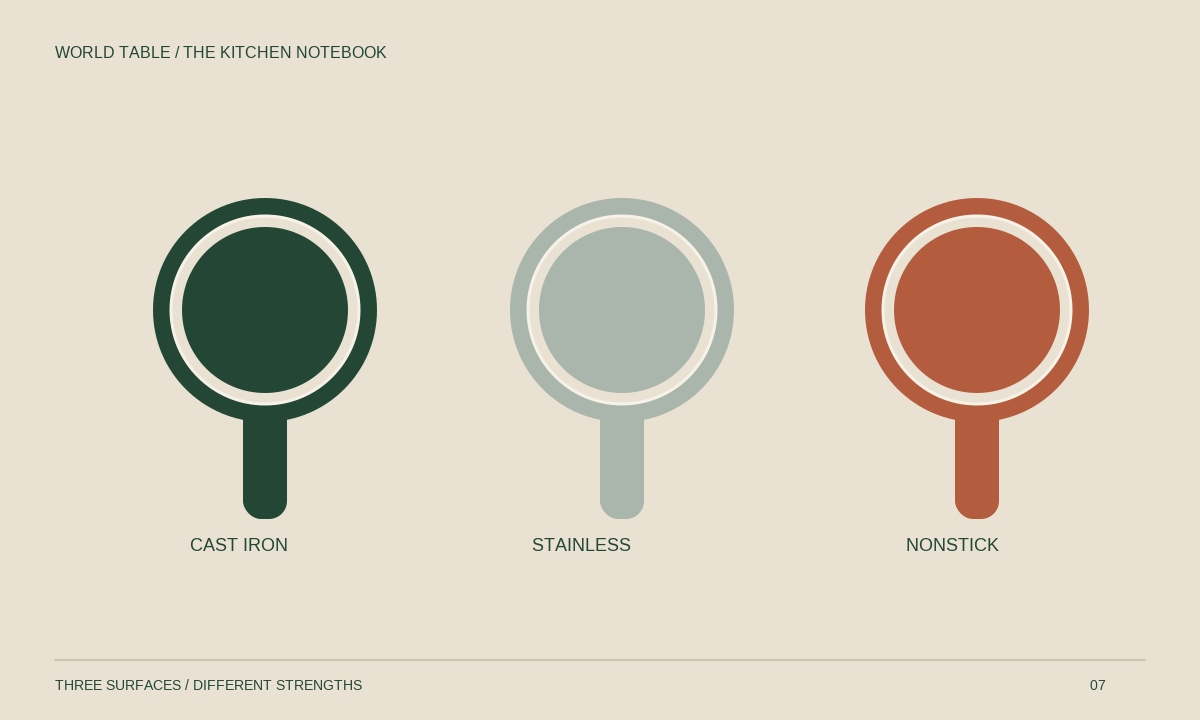
Cookware care · 3 min read
Remove everyday grease and stuck food from a nonstick pan with gentle cleaning. Learn what to avoid, how to dry it and when worn coating needs attention.
Read the guide
Knife skills · 3 min read
Learn a controlled whetstone routine for a plain-edge kitchen knife, from choosing the angle to deburring and checking the result.
Read the guideKnife skills · 3 min read
Understand what honing and sharpening actually change, which tools suit your knife and when to stop using a rod.
Read the guide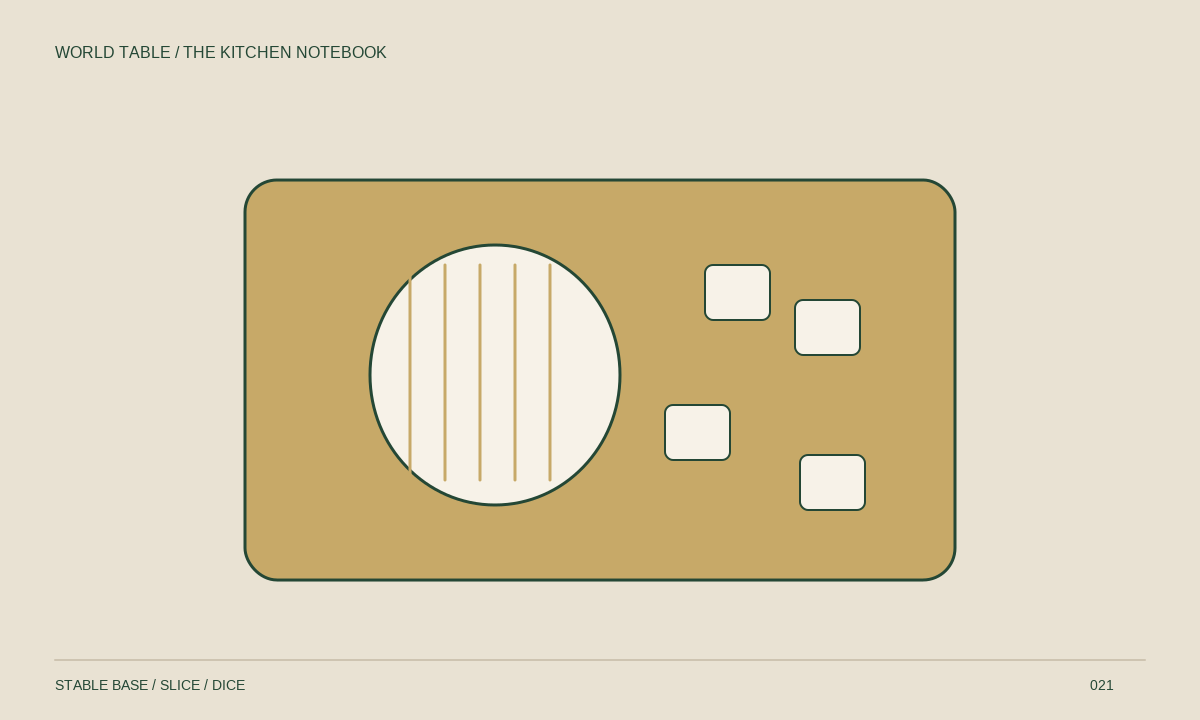
Knife skills · 3 min read
Learn a steady way to dice an onion or cut strips for fajitas and soup. Use a flat base, a claw grip and a cut size that suits the dish.
Read the guide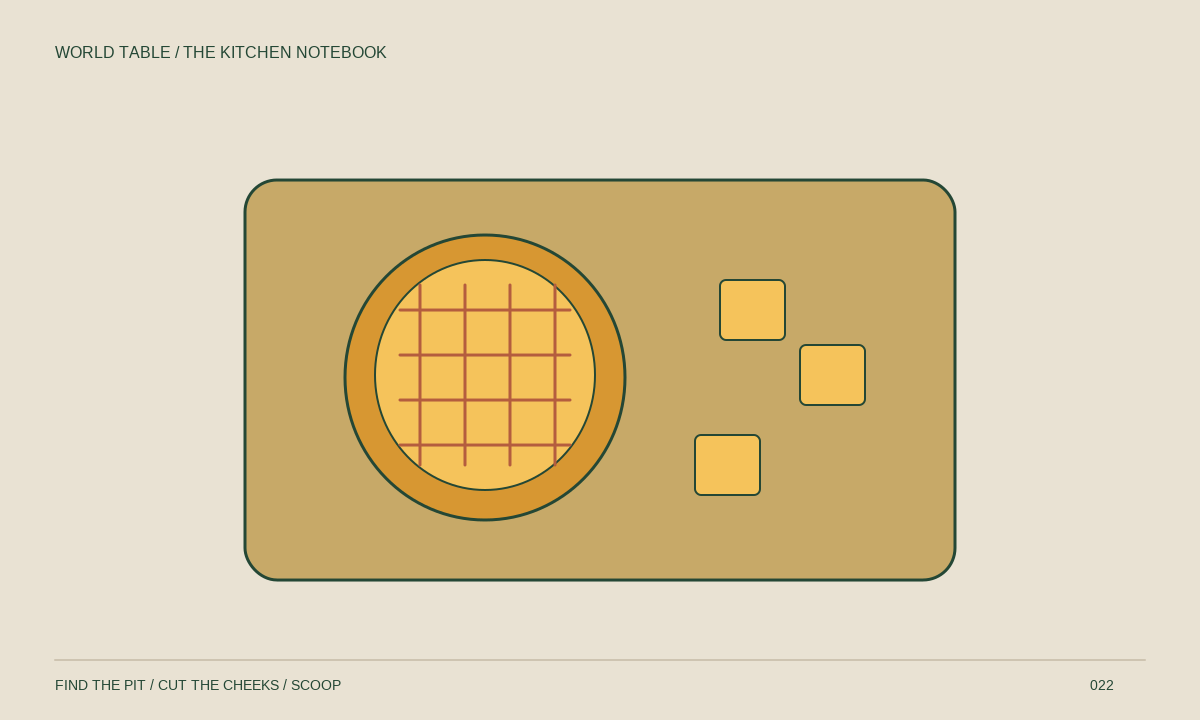
Knife skills · 3 min read
Find the flat mango pit, remove the cheeks and scoop clean cubes or slices. A simple cutting-board method without cutting through the skin into your hand.
Read the guide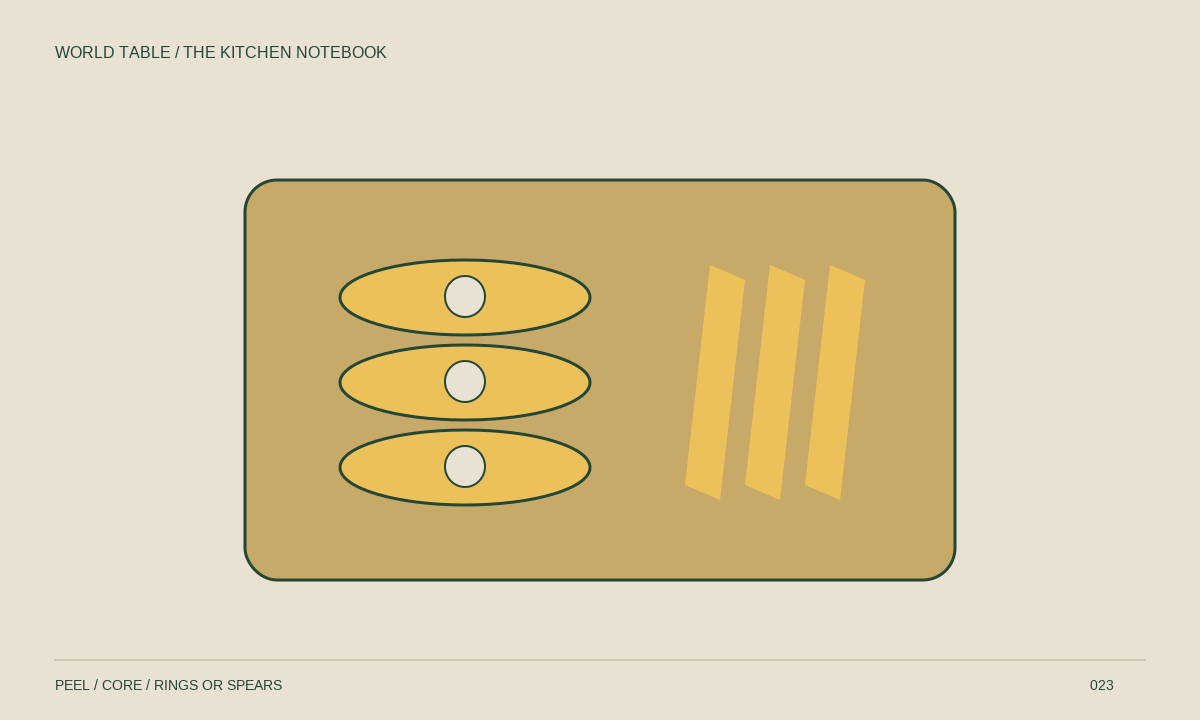
Knife skills · 3 min read
Peel and core a fresh pineapple on a stable board. Cut consistent chunks, spears or rings for fruit salads, desserts and grilling.
Read the guide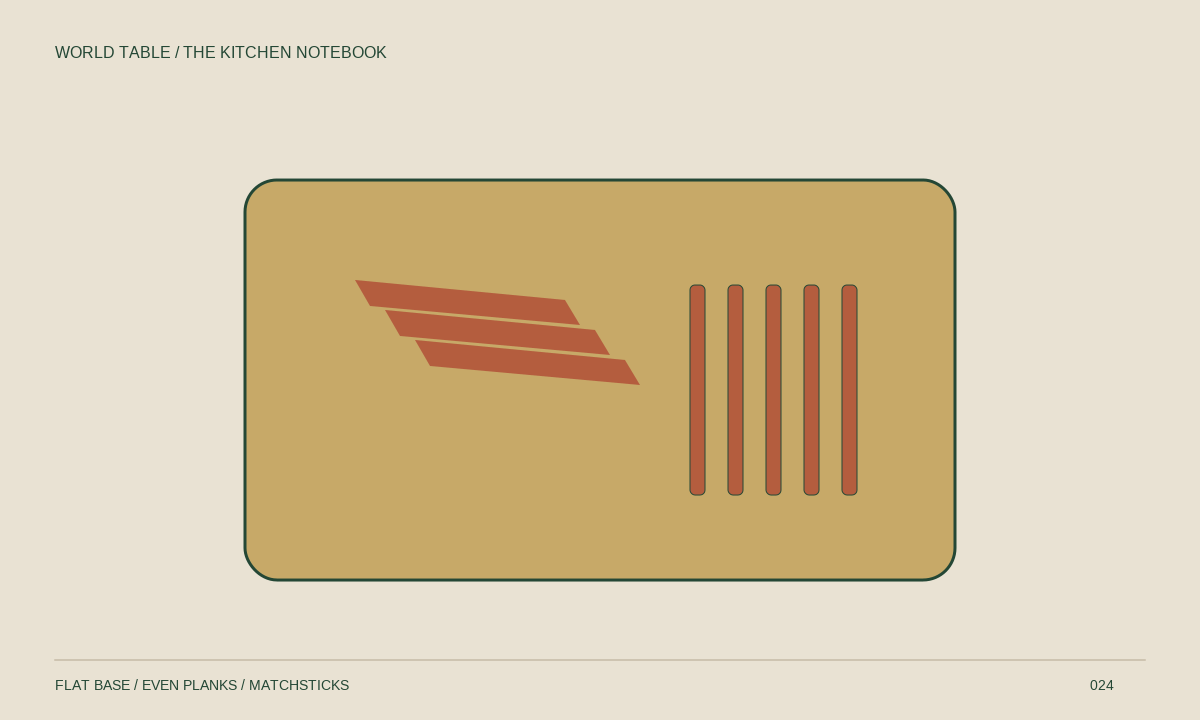
Knife skills · 3 min read
Cut carrot matchsticks with a knife using a stable base and even planks. Learn practical sizes for slaw, stir-fries and garnishes.
Read the guide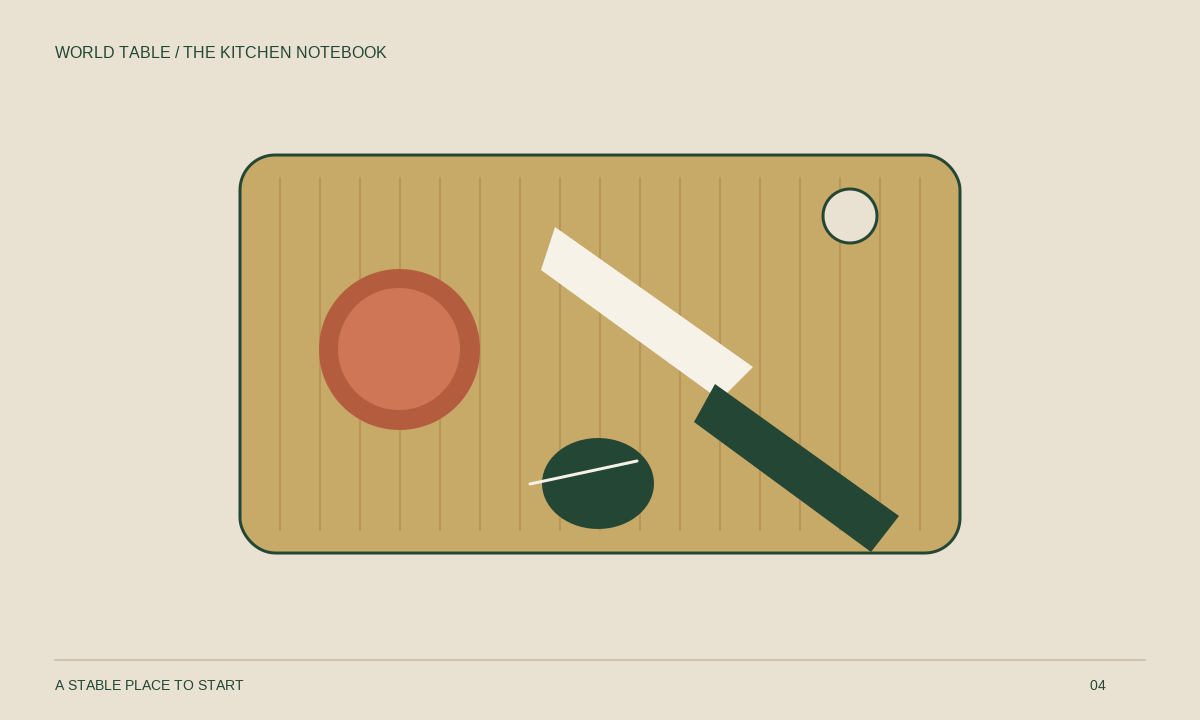
Buying guides · 3 min read
Compare wood and plastic cutting boards by stability, cleaning, knife care and the jobs you cook most often.
Read the guideBuying guides · 3 min read
Choose an air fryer by usable cooking area, your usual meals, cleaning and counter space rather than the number of preset buttons.
Read the guide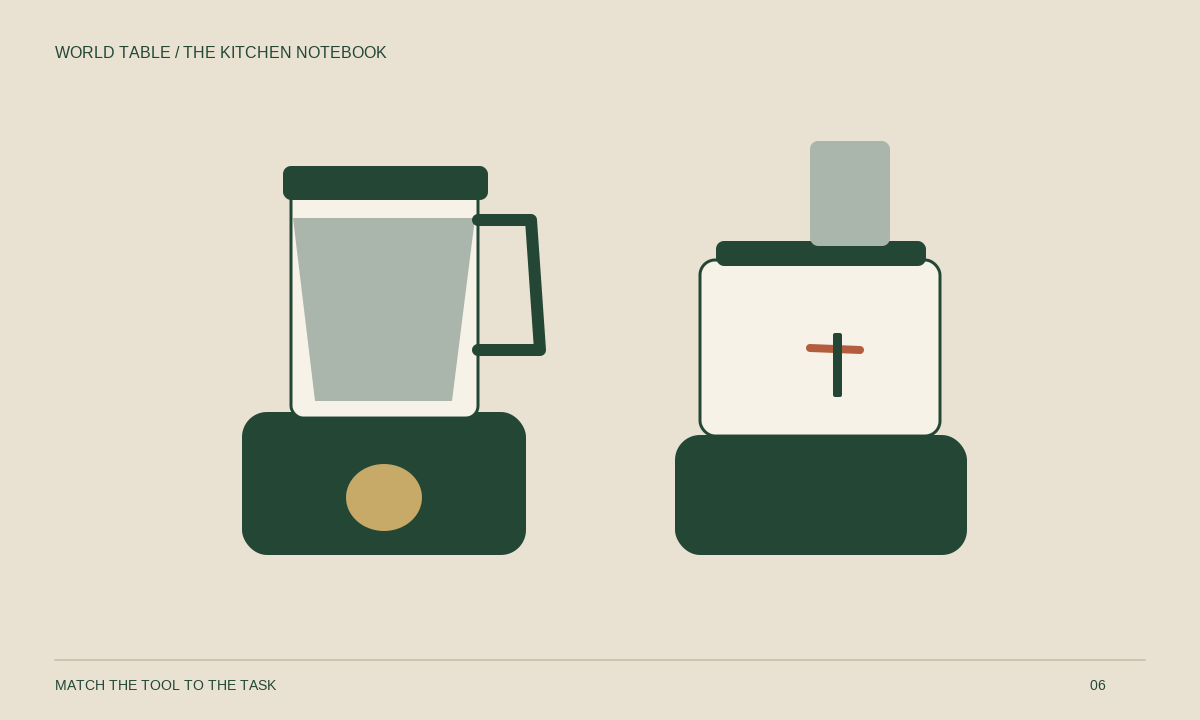
Buying guides · 3 min read
Match chopping, shredding, smoothies, soups and dough to the appliance that handles the task, with a practical comparison table.
Read the guideBuying guides · 4 min read
Compare three common frying-pan surfaces for searing, eggs, pancakes, sauces, cleaning and daily maintenance.
Read the guideBuying guides · 3 min read
Compare an air fryer with a conventional or fan oven for everyday meals. Understand batch size, timing, electricity use and when each appliance makes sense.
Read the guide
Buying guides · 3 min read
Compare induction and gas cooking through pan compatibility, heat control, ventilation, cleaning and installation needs. Build a practical checklist before replacing a hob.
Read the guide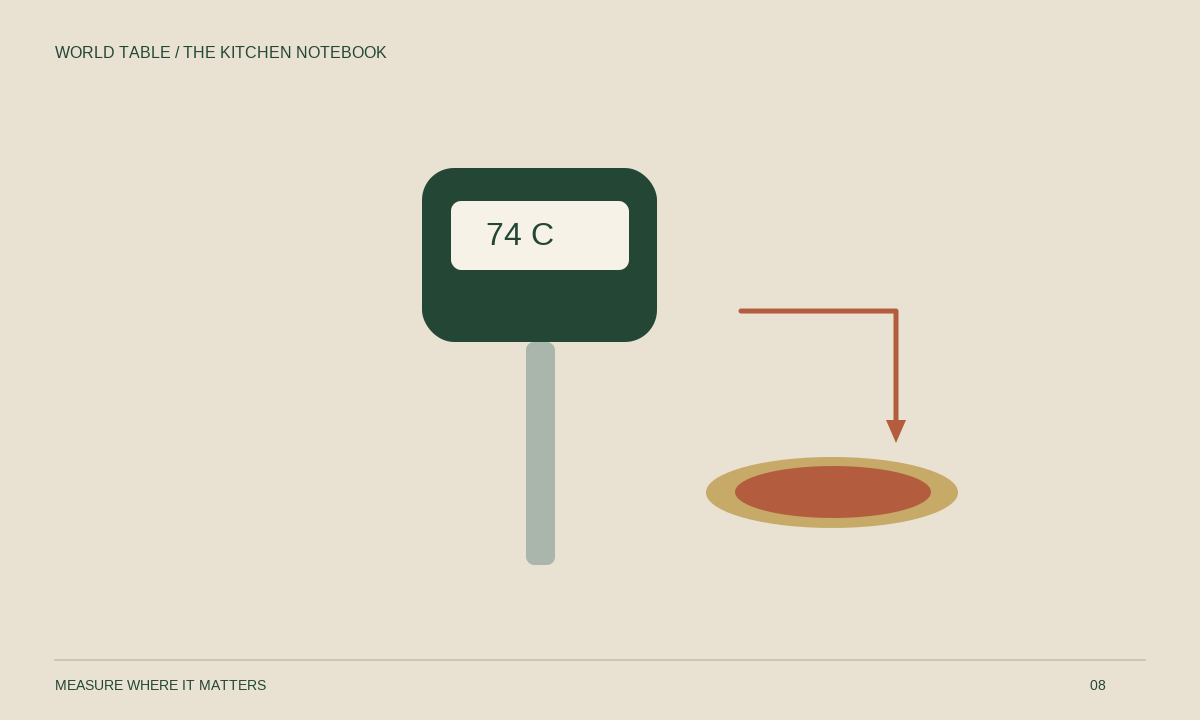
Cooking basics · 4 min read
Place a thermometer in the right part of meat, check more than one spot and understand minimum temperatures and rest times.
Read the guide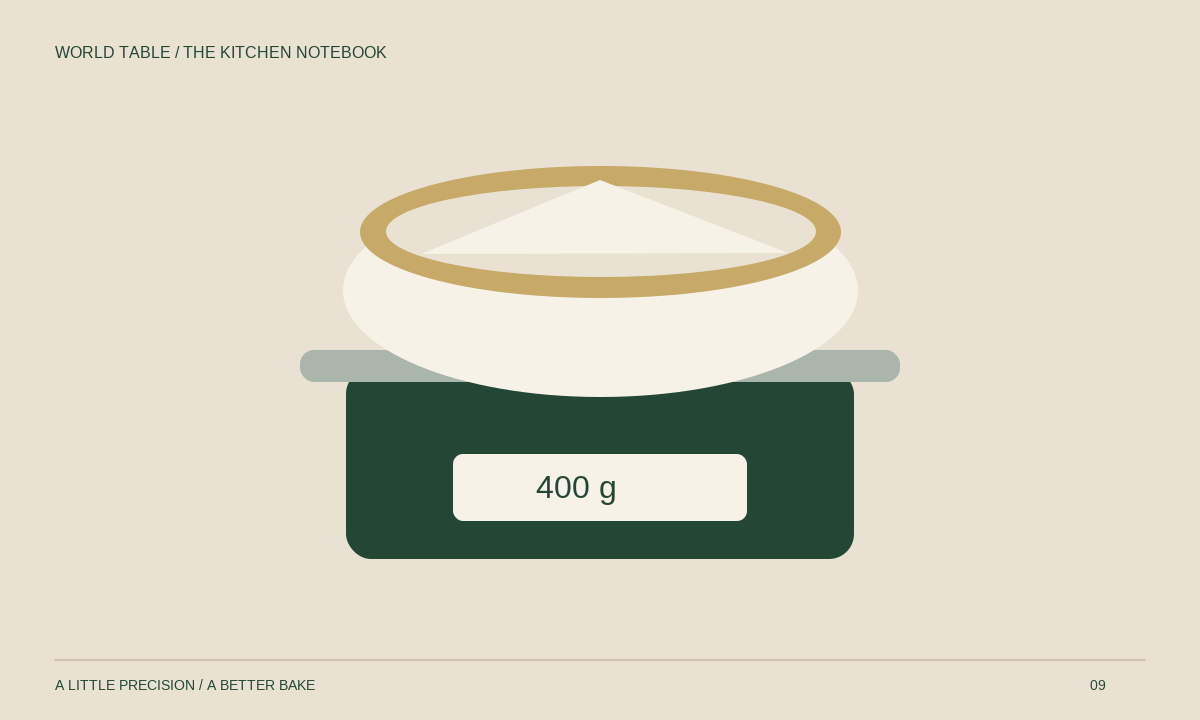
Cooking basics · 4 min read
Weigh flour accurately, measure by volume when needed and avoid turning a workable dough into a dry one with extra flour.
Read the guide
Cooking basics · 3 min read
Cook chicken breast evenly without relying on color or a fixed timer. Use consistent thickness, a thermometer and a gentle finish.
Read the guideCooking basics · 3 min read
Troubleshoot soggy air-fryer food with better spacing, surface preparation and accessories that preserve airflow.
Read the guide
Cooking basics · 3 min read
Cool soup promptly, freeze useful portions and reheat evenly. Learn which ingredients are better added after reheating.
Read the guideCooking basics · 3 min read
Rescue an oversalted soup by increasing unsalted ingredients and restoring balance, without relying on the potato myth.
Read the guide
Cooking basics · 3 min read
Keep parsley, cilantro, dill and basil useful for everyday cooking with sensible moisture control, storage and freezing.
Read the guide
Cooking basics · 3 min read
Use the right rice variety, measured water and a covered rest. Troubleshoot mushy or hard grains without applying one ratio to every rice.
Read the guide
Cooking basics · 3 min read
Use a clear timing starting point for boiled eggs, with separate hot-start and cold-start methods. Learn how egg size, chilling and cooling affect the result.
Read the guide
Cooking basics · 3 min read
Boil potatoes evenly by matching size, starting in cold water and checking the center. Practical timing ranges for chunks, baby potatoes and whole potatoes.
Read the guideCooking basics · 3 min read
Choose a soup-thickening method that suits the dish. Use cold cornstarch slurry, blend cooked vegetables or reduce carefully without making soup too salty.
Read the guideCooking basics · 3 min read
Understand when chicken can be cooked from frozen, how timing changes and why the center temperature matters. Separate raw chicken from ready-to-eat frozen products.
Read the guideCooking basics · 3 min read
Choose the right oats, measure milk and yogurt, and fix overnight oats that turn out too thick or runny.
Read the guideCooking basics · 3 min read
Choose firm tofu, dry the surface and avoid crowding the pan. Learn why sauce can soften a crisp crust.
Read the guideCooking basics · 3 min read
Read ingredient weights correctly, portion a cooked batch and avoid mixing raw weights with cooked nutrition data.
Read the guide
Cooking basics · 3 min read
Compare moisture, texture and salt before substituting fresh cheese in pancakes, fillings or breakfast bowls.
Read the guideCooking basics · 3 min read
Cool rice promptly, freeze individual portions and reheat evenly. Keep fresh toppings separate for better texture.
Read the guide
Baking & dough · 3 min read
Diagnose slow yeast dough by temperature, yeast activity and dough texture. Learn when to wait, when to move the bowl and when to start again.
Read the guideBaking & dough · 3 min read
Separate normal tackiness from an overly wet dough, then use rest, a scraper and measured adjustments to keep bread and dumplings tender.
Read the guide
Baking & dough · 3 min read
Troubleshoot stuck pancakes and thin blini by pan surface, heat, cooking fat and the moment you flip.
Read the guideBaking & dough · 3 min read
Find the reasons fluffy pancakes spread, rise poorly or turn rubbery: weak leavening, thin batter, excessive mixing and poor heat control.
Read the guideBaking & dough · 3 min read
Understand how the two common dry yeasts differ, when to hydrate them and why rise time matters more than the clock.
Read the guideBaking & dough · 4 min read
Use a measured baking-soda and cream-of-tartar replacement, understand its limits and avoid equal-volume swaps that change the recipe.
Read the guide
Baking & dough · 3 min read
Start a small flour-and-water culture, feed it by weight and recognize when it is ready for bread. Learn why early bubbles are not proof of a mature starter.
Read the guideBaking & dough · 3 min read
Make a manageable home pizza dough with measured flour, water, yeast and salt. Learn when to knead, rest, shape and bake without burying sticky dough in flour.
Read the guideBaking & dough · 3 min read
Understand flour strength, why dough hydration changes and when bread flour or all-purpose flour suits a recipe. Compare the label before swapping.
Read the guideBaking & dough · 3 min read
Learn a controlled hand-kneading method and recognize dough development. Understand why resting helps and when folds suit a wetter dough.
Read the guideBaking & dough · 3 min read
Plan an overnight cold rise without assuming fermentation stops. Learn when to cover, how much room to leave and how to judge dough before baking.
Read the guide
Baking & dough · 3 min read
Get butter ready for creaming by checking texture rather than the clock. Use small pieces, a gentle room-temperature rest and careful microwave handling.
Read the guideWorld cuisine skills · 3 min read
Choose cheeses for melt, salt and moisture when imeruli or sulguni are unavailable. Build a practical filling for Georgian cheese bread.
Read the guide
World cuisine skills · 3 min read
Seal homemade pelmeni and similar dumplings with clean edges, manageable filling portions and a controlled simmer.
Read the guide
World cuisine skills · 3 min read
Preserve a more vivid beet color with sensible cooking order, measured acidity and gentle finishing, without compromising doneness.
Read the guide
World cuisine skills · 3 min read
Choose tender leaves, rinse brined leaves and soften fresh ones before rolling. Learn which leaves to keep, patch or use to line the pot.
Read the guide
World cuisine skills · 3 min read
Cook dried pasta with a tender, firm center. Learn when to salt, stir, reserve pasta water and finish in sauce, with useful exceptions for cold pasta dishes.
Read the guideWorld cuisine skills · 3 min read
Prepare Japanese-style rice for sushi with the right grain, measured water and gentle vinegar mixing. Avoid mushy rice and treat room-temperature holding carefully.
Read the guideWorld cuisine skills · 3 min read
Compare texture, grain size and cooking methods before replacing bulgur with couscous in a salad or pilaf.
Read the guideWorld cuisine skills · 3 min read
Choose rice for the style of pilaf you are making and troubleshoot sticky, wet or unevenly cooked grains.
Read the guideWorld cuisine skills · 3 min read
Tell cumin and caraway apart, understand regional names and choose the spice your recipe actually needs.
Read the guide