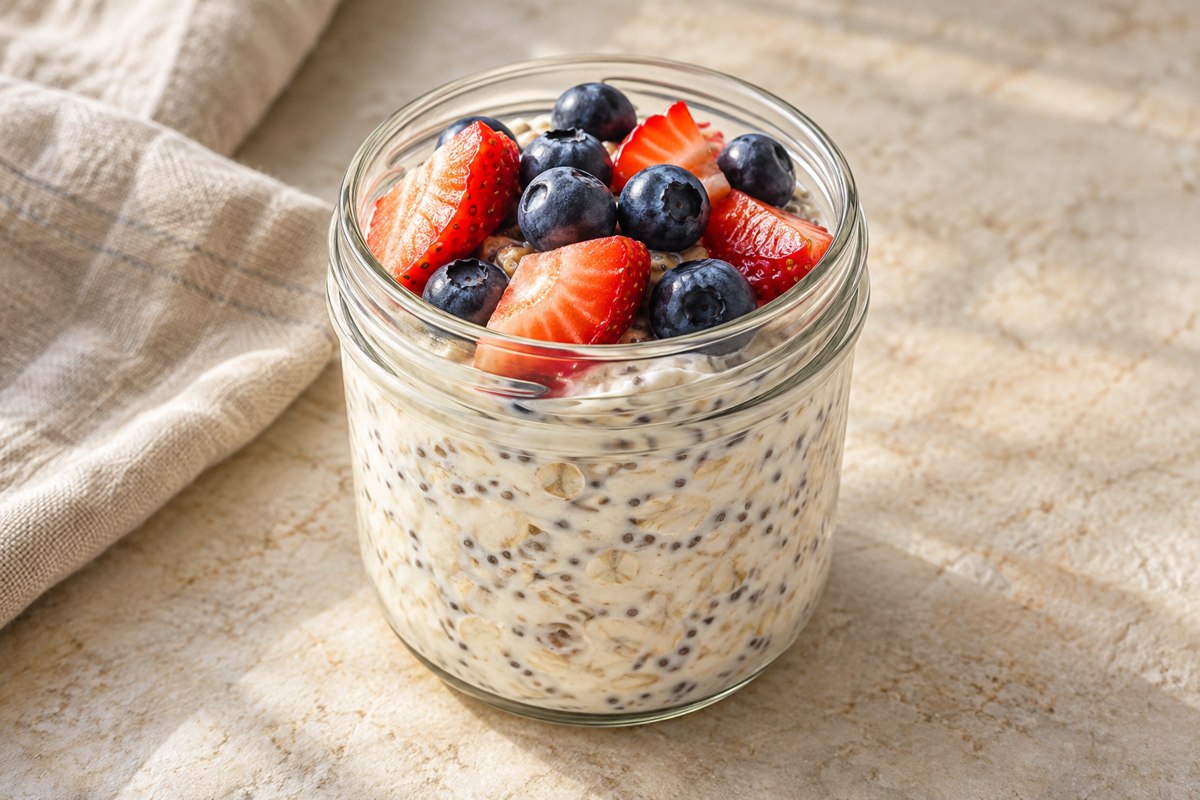
The quick answer
Fresh cheeses are not automatically interchangeable. Cottage cheese usually has visible curds; quark is commonly smooth; ricotta has a fine, soft texture. Brands vary. Choose a substitute for the job it does in the recipe, not only for its name.
In this guide
Check the tub before cooking
Read the fat content, ingredients and salt information. Look for plain cheese rather than a sweetened dessert. Notice whether liquid collects around the curds. A wetter replacement can loosen a filling or batter.
Choose by the dish
For a breakfast bowl, texture is often a matter of preference. In pancakes or a baked filling, moisture and structure matter more. Choose a recipe developed for the cheese you can buy when a reliable result is important.
Adjust texture cautiously
Blending cottage cheese can smooth its curds; it does not turn it into ricotta or quark. Draining removes some liquid but also changes the amount available. Weigh after draining if the recipe specifies drained weight, and do not add extra flour blindly.
Keep nutrition and allergens accurate
A new cheese changes fat, salt and estimated protein. Use its label when recalculating. Ordinary dairy versions contain milk; do not assume a plant-based spread has the same behavior or nutrition. Keep refrigerated and follow the use-by instructions.
A few useful answers
Can I always substitute equal weights?
No. Equal weights can still contain different amounts of water and fat.
Is blended cottage cheese identical to ricotta?
No. A smoother texture does not make them the same product.
Sources and further reading
Use the full recipe alongside these tips, and follow the stated care and safety limits of your equipment.
Put it into practice