The quick answer
Warm a clean stainless steel pan over low to medium heat, add cooking fat, dry the food and give it time to brown before turning. Avoid crowding. Stainless steel is not nonstick, and delicate foods may need gentler heat or another surface.
In this guide
Preheat with control
Start with a clean, dry pan on a burner that roughly matches its base. Give it a short, gradual warm-up over low to medium heat, then add oil and watch how it moves. It should flow easily and shimmer for searing, not produce heavy smoke.
Burner strength, pan construction and food all change the timing. A fixed instruction to heat every pan on maximum for five minutes is a poor starting point. If oil smokes heavily, reduce or stop the heat and let the pan cool safely before cooking.
Prepare the food and the batch
Pat meat or fish dry with a paper towel and keep raw-food handling separate from ready-to-eat ingredients. Surface water has to evaporate before browning develops. Put only as much food in the pan as it can hold with space between pieces.
For mushrooms or vegetables, a crowded pan collects moisture and steams. Use batches if you want browning. Adding a whole refrigerator-cold batch can also bring the pan temperature down, so do not treat initial preheating as the only decision that matters.
Let the surface form before moving food
Add fat suited to the task
Use enough to coat the cooking area. Butter alone can brown quickly during a hot sear; lower the heat or choose an appropriate cooking fat.
Set food down carefully
Lower it away from you to reduce splashing. Let the underside cook instead of immediately pushing it around.
Check for release
When a crust develops, many foods loosen more easily. Try a thin spatula gently. If the surface is tearing, give it more time while checking that the heat is not burning it.
Adjust after the first side
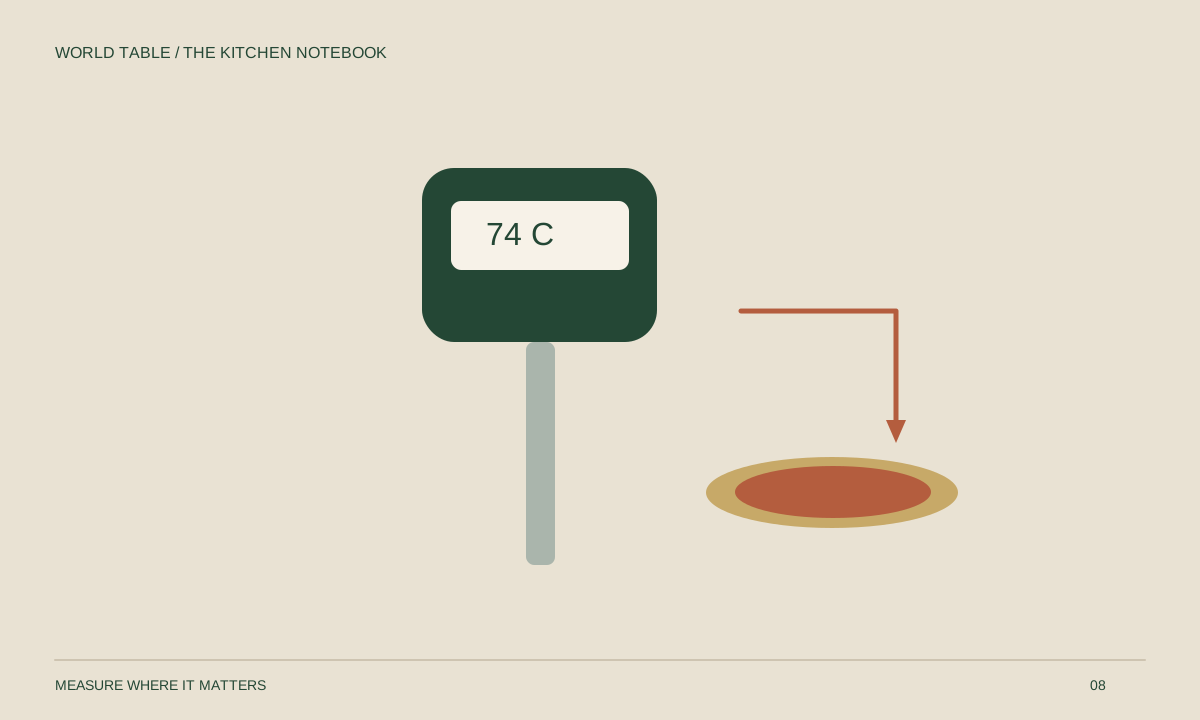
Lower the heat as needed to cook through. Use a thermometer for meat rather than relying on crust color.
Know the limits of the water-drop test
A dancing water droplet can show that a surface is hot, but it does not prove that the pan is at the right temperature for eggs, butter or every fish fillet. Never add oil over leftover water, and do not keep heating an empty pan just to chase an impressive bead.
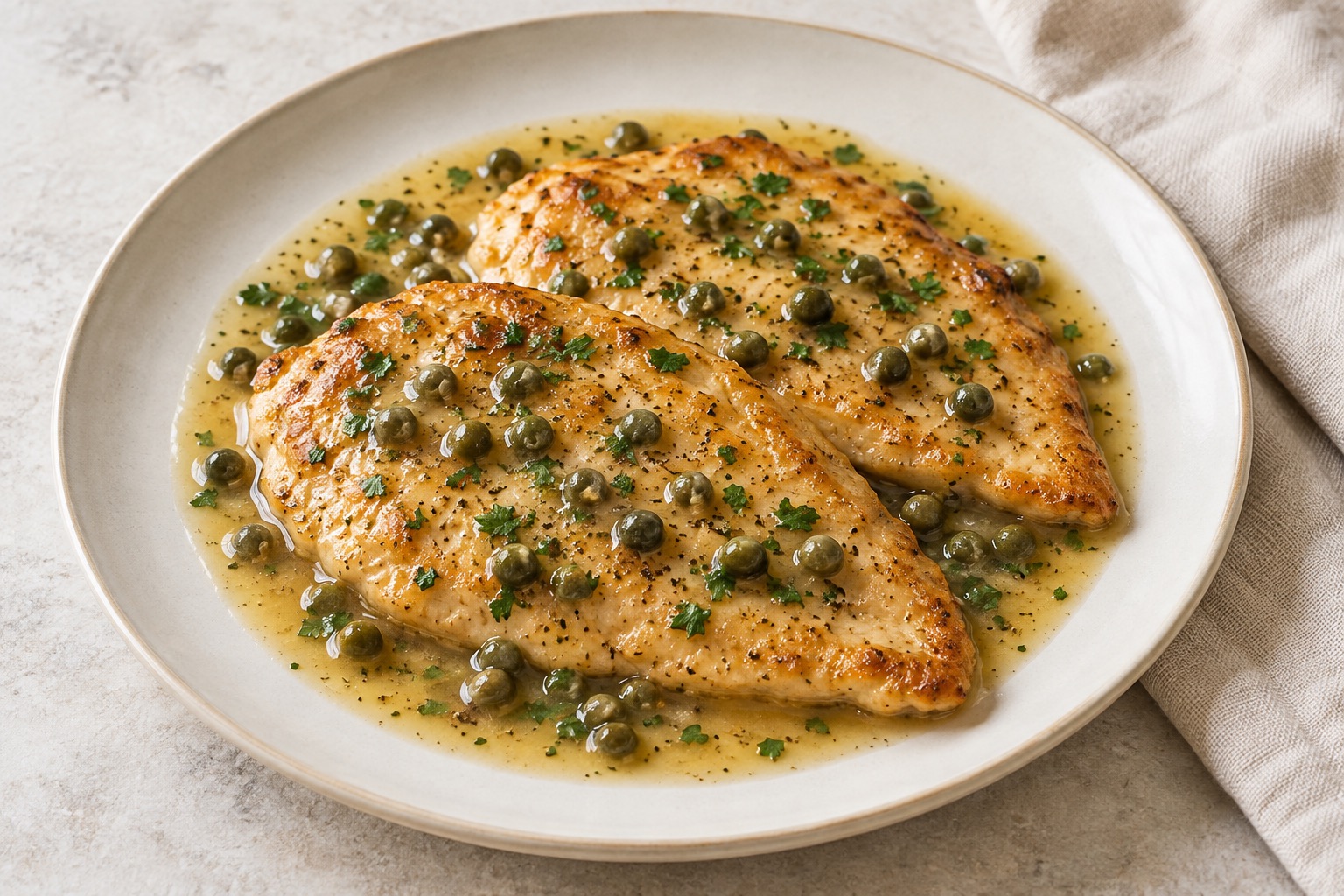
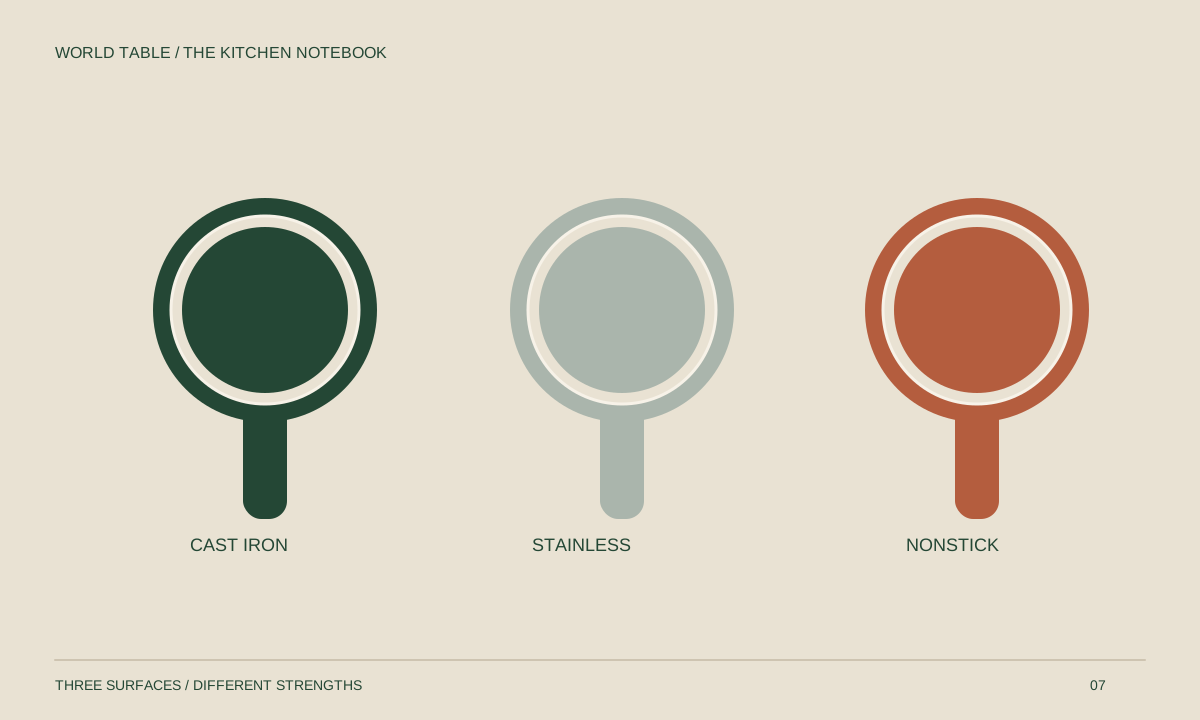
For eggs and thin pancakes, a well-maintained nonstick surface may be the easier choice. For browning and a pan sauce, stainless steel’s brown residue can be useful: add the recipe’s liquid to loosen the fond. Black, burnt residue should not become your sauce.
A few useful answers
Why does chicken stick even when I use oil?
The surface may be wet, the pan crowded, the heat poorly matched or the chicken moved too early. Oil alone cannot fix all four.
Must I season stainless steel like cast iron?
Ordinary stainless steel does not need a permanent baked-on oil layer. Follow the pan’s own use-and-care guidance.
Care and appliance instructions vary by model. Use your product’s stated limits and the method that suits its material.
Put it into practice