The quick answer
Choose cast iron for heat retention and a seasoning routine, stainless steel for browning and pan sauces, or nonstick for easy release with gentler heat. Match the pan to your meals, stove and maintenance habits rather than expecting one surface to win every task.
In this guide
The everyday comparison
| Surface | Especially useful for | Care to plan for |
|---|---|---|
| Bare cast iron | Browning, oven cooking and foods that benefit from retained heat. | Weight, gradual heating, prompt drying and seasoning. |
| Stainless steel | Searing, acidic sauces and deglazing. | Heat control, cooking fat and loosening residue. |
| Nonstick | Eggs, thin pancakes and delicate foods with easy release. | Moderate heat, coating-safe tools and eventual replacement. |
Choose cast iron if you enjoy a sturdy routine
A thick cast iron pan can stay hot when food is added, but it also takes time to heat and responds slowly when you lower the burner. Warm it gradually and use a burner that fits its base. Weight and handle heat are part of the choice, especially when lifting a loaded pan.
Bare iron needs drying and protection from rust. Long acidic simmering is better assigned to suitable stainless steel or enamel rather than assuming a seasoning layer solves every cooking task. Enamel-covered cast iron is a separate surface with separate care instructions.
Choose stainless steel for flexible sauces
Stainless steel lets you brown meat and then dissolve the flavorful brown residue with the recipe’s liquid. It is a useful everyday choice for dishes containing tomato, wine or lemon. Construction matters: heat distribution depends on the pan’s conductive core and design, not simply its shiny surface.
If sticking frustrates you, check technique before buying a whole new set. Moderate preheating, a little fat, a dry food surface and patience often change the result. Still, extremely delicate foods may be simpler in another pan.
Choose nonstick for release, not extreme heat
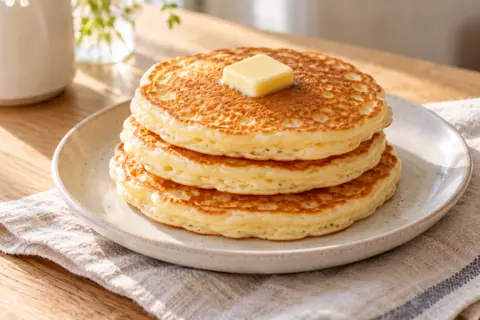
A nonstick pan can make eggs and pancakes easier to turn. Check the actual coating’s care, oven limit and utensil rules. Avoid prolonged empty heating and intense searing beyond its rating. Silicone, wood or suitable plastic utensils are usually a practical starting point.
Wash gently, let the pan cool before adding water and use a protective layer when stacking. A coating that is peeling or badly damaged is not repaired by cast iron seasoning. Ask the manufacturer about replacement rather than hiding damage under more oil.
Check fit before adding to the basket
- Match the flat cooking base to the burner rather than looking only at the rim diameter.
- For induction, confirm the pan is explicitly compatible.
- Check oven limits for the handle and lid as well as the pan body.
- Consider the weight when filled and whether you can wash it comfortably.
- Compare usable flat area; steep sides reduce the area where food can sit in one layer.
A useful starting pair
For a cook who makes eggs and saucy dinners, one small or medium nonstick pan and one stainless skillet may cover most jobs. If oven-to-table cooking and seasoning appeal to you, cast iron can take one of those roles. Buy around repeated meals, not the idea that more matching pieces always make a better kitchen.
A few useful answers
Do I need all three types?
No. Start with the surfaces that suit your recurring meals and add another when it solves a specific problem.
Can nonstick go in the oven?
Some pans can, within stated limits. Check both the coating and handle rating for that exact model.
Care and appliance instructions vary by model. Use your product’s stated limits and the method that suits its material.
Put it into practice