The quick answer
Let the pan cool, then wash it with warm water, dish detergent and a soft sponge. Soften stuck food before wiping it away. Avoid metal scourers, thermal shock and harsh cleaners, and follow the manufacturer’s instructions for dishwasher use.
In this guide
Cool the pan before washing
Cold water poured into a very hot pan can distort the base. Take the pan off the heat, let it become safe to handle and clean it while residue is still easy to remove. Do not leave an oily pan on a live burner while getting the sink ready.
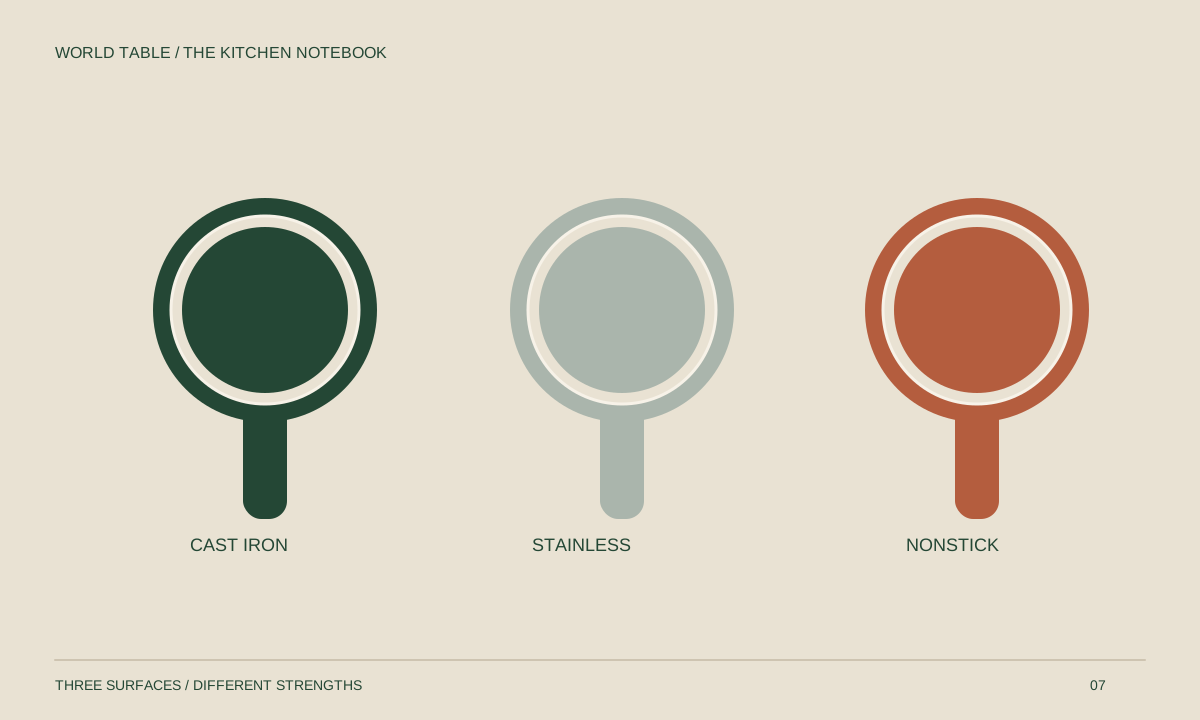
Nonstick describes several coatings, including PTFE-based and ceramic finishes. Their cleaning instructions can differ. A technique recommended for bare stainless steel or cast iron should not automatically be used on a coated pan.
A gentle cleaning routine
Remove loose food
Use a soft spatula, wipe out cooled grease and discard it appropriately. Do not scrape the cooking surface with a knife.
Wash the whole pan
Use warm soapy water and a soft sponge on the interior, rim and outside. Pay attention to grease near rivets or the handle without soaking components that the maker excludes.
Loosen a stubborn patch
Add warm soapy water and give residue time to soften. Wipe it gently. If it remains, use only a cleaner or soaking method specifically approved for the coating.
Rinse, dry and store
Rinse away detergent and dry the pan, including the base. Place a pan protector or clean soft cloth between nested pans so their bases do not grind against the coating.
When cleaning will not solve sticking
Burnt oil can leave a film, but a deeply scratched, blistered or peeling coating cannot be repaired by scrubbing. Stop using a visibly damaged pan and consult its care guidance about replacement. Do not try to sand off the coating.
Prevent damage with the cooking heat and utensils approved by the maker. Empty overheating and metal tools can shorten a pan’s useful life; adding more oil will not fix a deteriorated finish.
Avoid these common mistakes
- No steel wool, abrasive pads or unapproved scouring powder on the coating.
- Do not use oven cleaner to restore a frying pan.
- Dishwasher approval is model-specific; do not assume all nonstick pans qualify.
A few useful answers
Can I use baking soda on nonstick?
Only if the manufacturer approves its use and concentration for that coating. Abrasive pastes are not a universal remedy.
Should I season a nonstick pan like cast iron?
Usually no. Follow the pan’s own instructions rather than baking oil onto an unknown coating.
Use the full recipe alongside these tips, and follow the stated care and safety limits of your equipment.