The quick answer
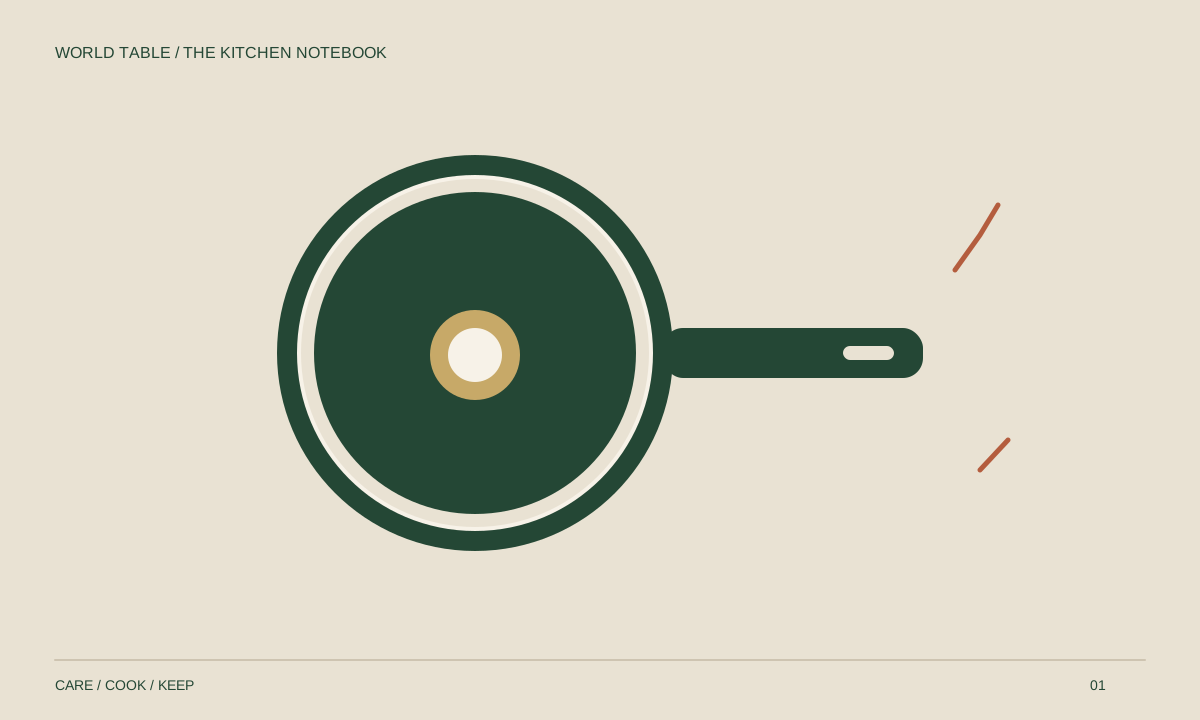
For an oven-safe bare cast iron skillet, wash and dry the pan, wipe on a nearly invisible layer of neutral oil, then bake upside down for about an hour at 450°F / 230°C if its manufacturer permits that temperature. Let it cool in the oven. Enameled pans do not need this treatment.
In this guide
Does your pan need seasoning?
Seasoning is a hardened oil coating that protects bare iron and helps food release. It is not a layer of leftover grease. A factory-seasoned pan is normally ready to cook in after washing and drying; it does not need a lengthy ritual before its first meal.
Refresh seasoning when exposed iron or persistent sticking remains after proper cleaning and sensible heat control. An uneven color by itself is not a reason to strip a working pan. Check the handle, lid and any attachments: removable wooden or plastic parts cannot go into a hot oven.
- Bare cast iron: seasoning may be appropriate.
- Enameled cast iron: wash and follow the enamel care instructions instead.
- Rust: remove it before coating the pan; oil over rust does not repair the surface.
The oven method
Clean and dry
Wash the pan and rinse thoroughly. Dry with a towel, then warm briefly on a low burner to remove moisture. Turn off the heat and let it become safe to handle.
Apply oil sparingly
Rub a small amount of canola or another suitable neutral cooking oil over the interior, exterior and handle. Use a second clean cloth to wipe it off again until the surface looks almost dry.
Arrange the oven
Use the manufacturer’s recommended temperature. For a bare, all-iron skillet approved for high heat, 450°F / 230°C is a practical starting point. Put the pan upside down on a rack and a tray on the rack below to catch drips. Do not line the oven floor.
Bake and cool
Bake for about 60 minutes, switch off the oven and allow the pan to cool inside. Use ventilation and heatproof gloves. If necessary, repeat with another extremely thin coat after cooling.
Sticky, smoky or patchy: what to change
A sticky finish usually points to excess oil or incomplete curing. Wash away tacky residue and use a much thinner coat next time. Visible drops or streaks before baking mean there is too much oil. A small amount of oil spread over the pan is enough; a glossy puddle is not.
Heavy smoke is a cue to stop, ventilate and let the oven cool before investigating. Do not increase the temperature blindly or use an oven’s self-clean cycle. Different oils and pans behave differently, and appliance limits still apply.
Maintain the surface through ordinary cooking
After each meal, clean away food, dry promptly and wipe on a little oil if the surface looks dry. Heat the pan gradually and use an appropriate amount of cooking fat. Seasoning improves release, but it does not turn cast iron into a coating that tolerates every food or cooking technique.
A few useful answers
Do I need to season after every use?
Usually not. Cleaning, drying and normal cooking are enough unless the surface needs repair.
Can I season an enameled Dutch oven?
Do not use this bare-iron oven method on enamel. Follow the cookware’s care instructions.
Care and appliance instructions vary by model. Use your product’s stated limits and the method that suits its material.
Put it into practice