The quick answer
Use a clean, suitable pan, preheat it gradually, spread a thin film of cooking fat and wait until the first side has set before turning. If the underside burns while the top stays wet, reduce the heat rather than flipping sooner.
In this guide
Start with the cooking surface
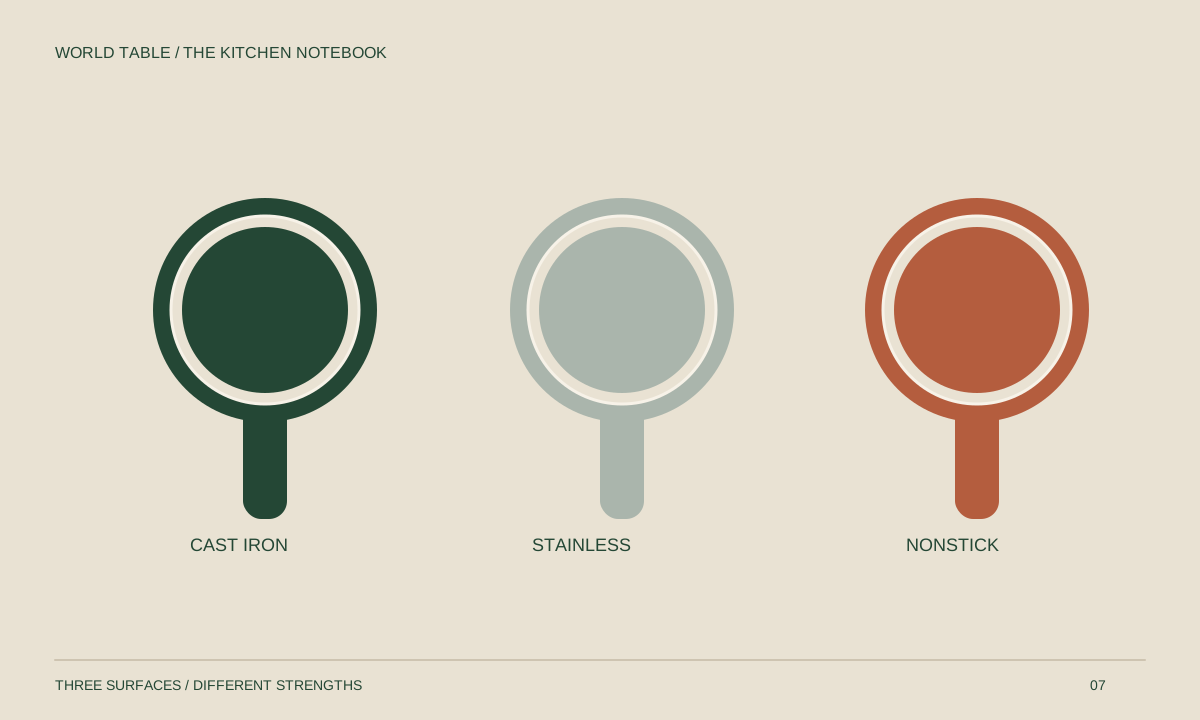
For a first attempt, a sound nonstick pan or well-maintained seasoned skillet makes release easier. Stainless steel can work with careful technique, but it is less forgiving for thin, delicate batter. Remove old burnt residue before cooking another batch.
Check that the pan is flat enough for the batter to spread evenly. A worn coating, uneven heat or patches of old sugar can make the same recipe behave differently across the surface. Follow the pan maker’s heat limit, especially for nonstick.
Use one small pancake as your test
Warm the pan gradually
Use moderate heat and allow the surface to warm evenly. Avoid overheating an empty nonstick pan.
Spread the fat
Brush or wipe a thin layer over the cooking area. Butter browns readily; lower the heat if it burns between batches.
Cook a small test
Add a little batter. It should set with gentle sizzling rather than burn immediately or sit unchanged. Adjust before making a full batch.
Turn when set
For thick pancakes, look for edges setting and bubbles that leave small openings. For thin blini, wait for the surface to lose its wet shine and the edge to lift. Slide a thin spatula fully underneath.
Read what the first pancake tells you
| What you notice | What to change |
|---|---|
| Dark underside, wet center | Lower the heat; make a smaller or thinner pancake. |
| Pale, fragile pancake that tears | Give it more time and check that the pan is warm enough. |
| Only certain patches stick | Clean residue and check the coating or seasoning. |
| Thin blini split when lifted | Wait for the surface to set and support more of the pancake with the spatula. |
Keep the pan consistent between batches
Heat often builds as you work. Reduce the burner slightly if later pancakes brown too fast, and wipe away burnt crumbs with a safe tool before adding fresh fat. Do not lean on extra oil to compensate for a very hot pan.
If every pancake remains fragile despite sensible heat and timing, revisit the batter quantities. Thin blini and fluffy American pancakes use different formulas. Adding random flour or eggs may mask one symptom while changing the texture; start with the measured recipe.
A few useful answers
Does the first pancake always have to fail?
No. A small test helps you adjust heat and fat before cooking the rest.
Should I grease the pan every time?
Use the amount suited to the surface and recipe. Reapply a thin film when needed, rather than leaving a pool.
Use the full recipe alongside these tips, and follow the stated care and safety limits of your equipment.
Put it into practice