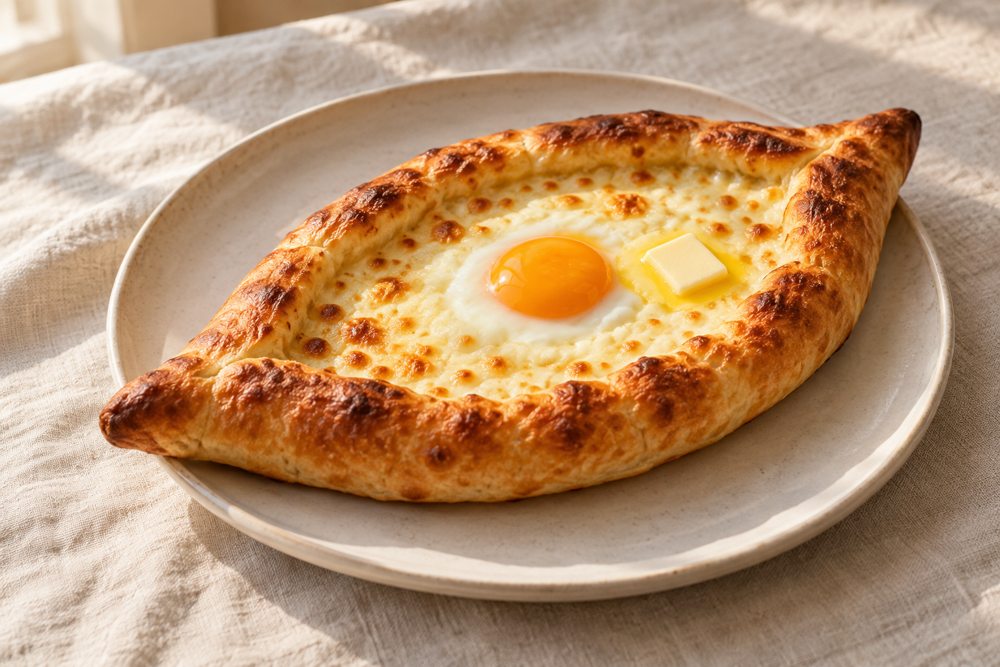
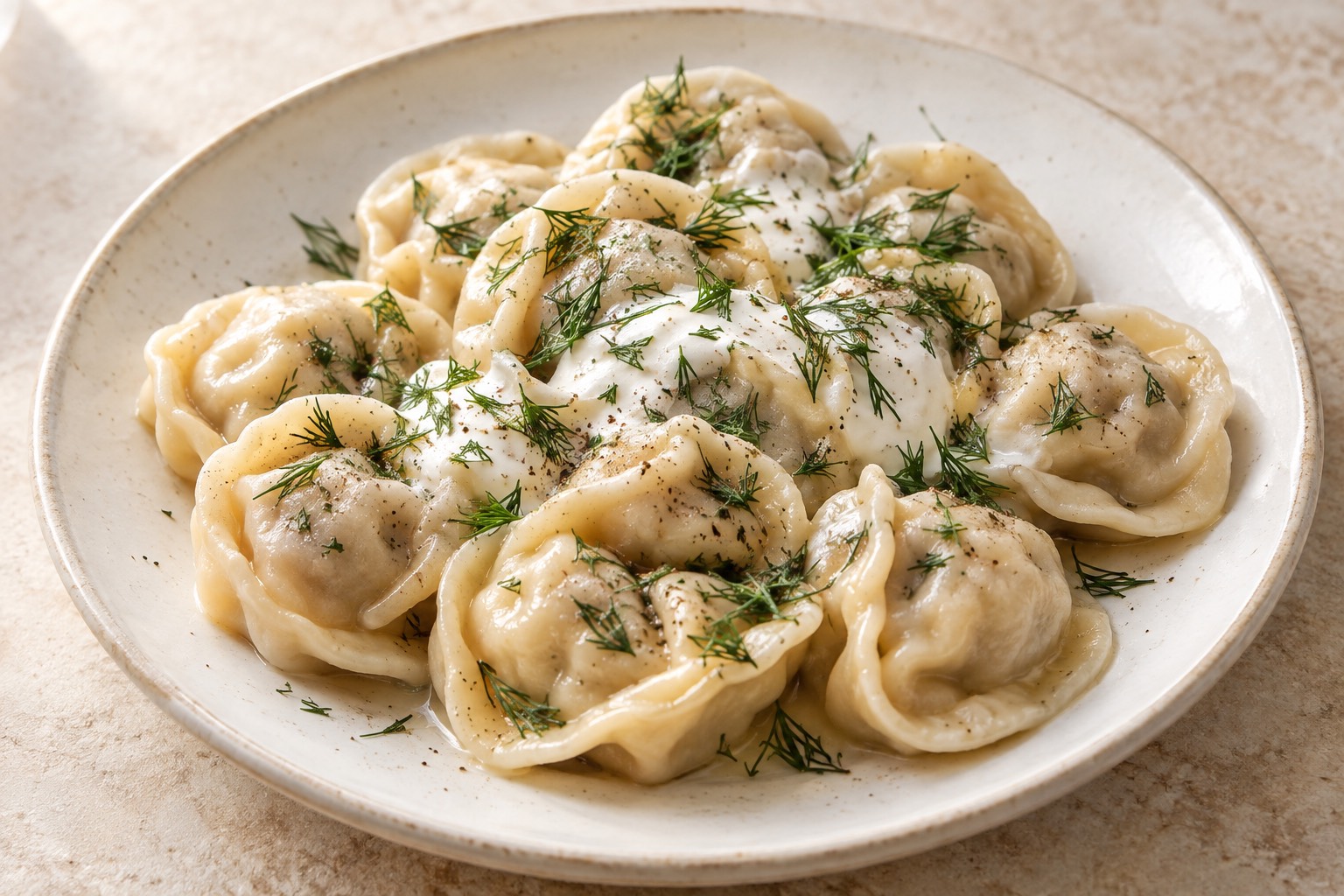
The quick answer
Pause before adding flour. Cover the dough and let it rest as the recipe allows, then use a scraper and the intended kneading or folding method. Add flour in small measured increments only if a dough meant to be shapeable remains unworkably wet.
In this guide
What kind of dough are you making?
A soft yeast dough, a high-hydration loaf and a firm dumpling dough should not feel identical. A dough that clings lightly to a finger may be correctly tacky. A puddle that cannot hold its intended shape is a different problem. Use the recipe’s target texture, not the feel of a different bread you remember.
Check the formula before changing it. A cup of densely packed flour and a loosely filled cup can create very different doughs. A large egg, undrained soft cheese or a liquid added twice can also change the moisture balance.
Work with the dough, not against it
Rest under cover
If the method permits, leave the newly mixed dough covered for 10–20 minutes. Flour has time to absorb moisture; keep perishable dough within its recipe’s safe handling routine.
Use a bench scraper
Lift and fold with a scraper rather than dragging the dough across the counter. Lightly flour the surface for shaping only as needed.
Develop structure
Knead or fold according to the recipe. Some doughs become easier to handle as their structure develops; others are intentionally handled with folds.
Make a measured adjustment
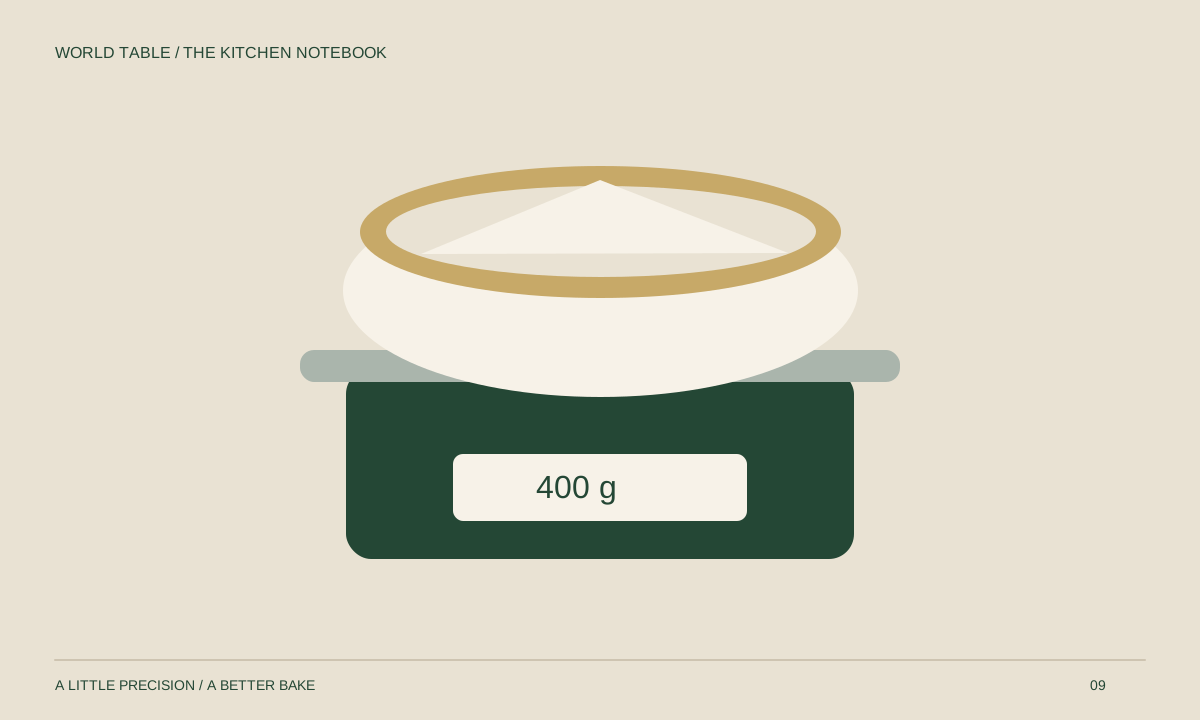
For a typical batch using 400–500 g flour, try 1 tablespoon / roughly 8 g additional flour at a time, mix it in and reassess. This is a cautious adjustment, not a universal conversion or a substitute for the recipe.
Why more flour is not always the answer
| What you notice | What to change |
|---|---|
| Dough sticks but stretches and holds shape | Use a scraper and improve handling before changing hydration. |
| Enriched dough becomes greasy and warm | A short covered chill may help if the recipe allows it. |
| Dumpling dough tears and sticks | Rest it, check its thickness and dust the rolling surface sparingly. |
| Dough remains almost liquid | Recheck quantities and flour type; a major measuring error may require restarting. |
Stop before the dough becomes stiff
Keep track of every addition. Too much flour can make bread dense and dumpling wrappers thick or hard to seal. For the next batch, weigh the original ingredients and note the brand of flour so you have a useful baseline.
Do not judge a dough by a perfectly clean hand alone. Some successful formulas stay sticky through fermentation and rely on a scraper, a floured cloth or lightly damp hands during specific steps. Follow those instructions rather than forcing every dough into the same consistency.
A few useful answers
Should I oil my hands?
Some bread formulas allow lightly oiled hands. For dumpling seams, oil can prevent a good seal, so keep the edges clean.
Will chilling fix too much water?
It can firm fat in enriched dough, but it does not correct an incorrect liquid-to-flour ratio.
Use the full recipe alongside these tips, and follow the stated care and safety limits of your equipment.
Put it into practice