The quick answer
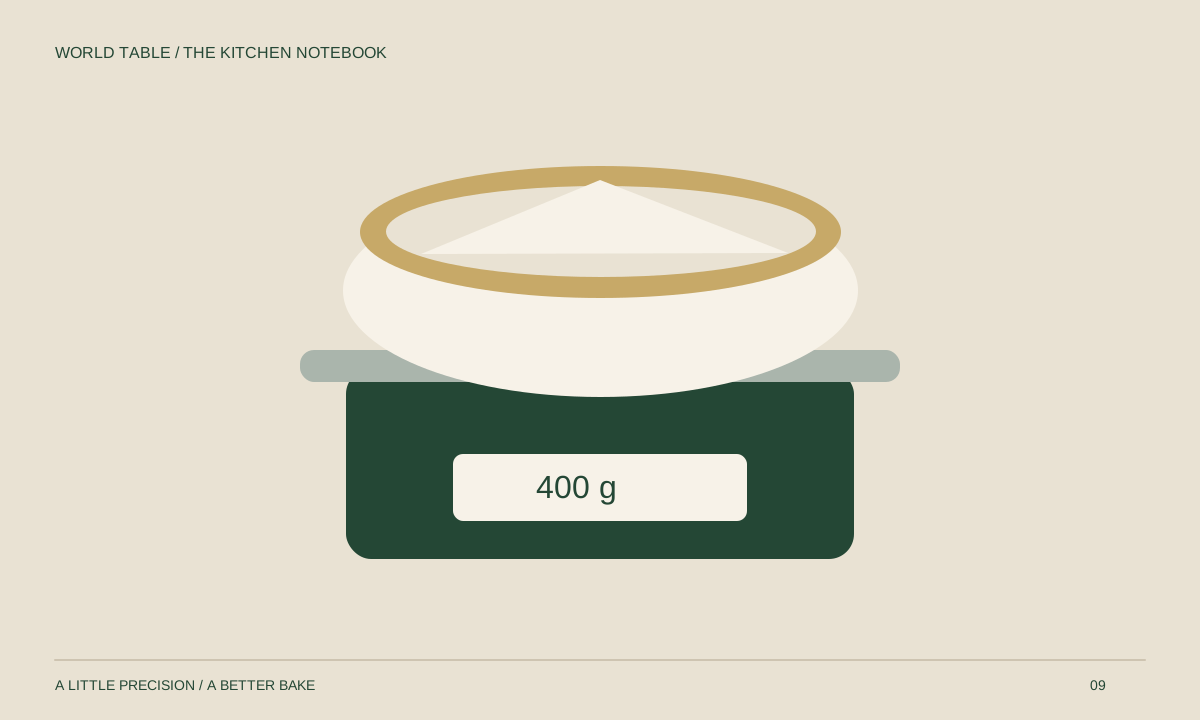
Use the recipe’s gram weight when available: put a bowl on a level kitchen scale, tare it and add flour to the target weight. If measuring by cups, use the recipe’s stated method; otherwise fluff, spoon gently into a dry measure and level without packing.
In this guide
Weigh the flour the recipe actually specifies
Set the scale
Use a level, solid surface and select grams. Put the empty bowl on the scale.
Tare the bowl
Press tare or zero so the bowl’s weight is excluded. Check that the display is stable.
Add gradually
Spoon in flour as you approach the listed amount. If you add too much, remove it rather than changing all the other ingredients to compensate.
Keep additions separate
Measure any flour listed for rolling or dusting separately. It is not automatically part of the dough’s original flour quantity.
If you need to use cups
Use a dry measuring cup with a rim you can level. Stir the flour gently to loosen it, spoon it into the cup and sweep the excess off with a straight edge. Do not bang the cup on the counter or push the flour down. Scooping directly from a dense bag can pack in substantially more flour.
Recipe developers use different flour weights per cup. Follow the conversion in the recipe rather than treating one internet number as universal. A US cup, a metric cup and a drinking mug are not interchangeable tools. Flour type and the measuring method also change the result.
Do not confuse ounces with fluid ounces
| Unit | What it measures | Useful reminder |
|---|---|---|
| Grams (g) | Mass | Best starting point when the recipe provides a weight. |
| Ounces (oz) | Mass | A flour weight; 1 oz is approximately 28.35 g. |
| Fluid ounces (fl oz) | Volume | Not the same as ounces of flour. |
| Cups | Volume | Use the recipe’s cup standard and measuring method. |
Why extra flour can make dough tough
A soft dough may become less sticky after mixing and resting as flour absorbs liquid. Check the recipe’s texture cues before adding handfuls of flour. For a dough that should be soft, making it completely dry to the touch can make the baked result dense.
When rolling, lightly dust the worktop and use a scraper to free the dough. Add only what prevents sticking, keeping unused bench flour out of the finished dough. Very humid kitchens and different flours can require a small adjustment, but make it gradually and record the change.
Match precision to the ingredient
A typical kitchen scale is useful for flour, butter and larger liquid weights when the recipe gives them. It may not accurately resolve a fraction of a gram of salt or yeast. Use the listed measuring spoon or a suitable precision scale for small quantities.
Do not convert every teaspoon into grams using one general factor; baking powder, sugar, oil and salt have different densities. A good recipe’s units are part of its method, not interchangeable decoration.
Make one change you can repeat
For your next bread, dumpling or pastry, weigh the ingredients and note the flour brand and dough texture. Keep the recipe quantity as the starting point. That gives you a meaningful baseline when a later batch feels different and makes troubleshooting more useful than adding flour until it looks familiar.
A few useful answers
How many grams are in a cup of flour?
There is no universal value for every flour and measuring method. Use the weight supplied by the recipe developer.
Does 100 ml of flour weigh 100 g?
No. Milliliters measure volume and grams measure mass; flour is not water.
Care and appliance instructions vary by model. Use your product’s stated limits and the method that suits its material.
Put it into practice