The quick answer
Cut butter into small pieces and let it soften at a moderate room temperature until a finger leaves an indentation while the butter still holds its shape. Softened butter should not be oily or liquid. If using a microwave, use low power and very short bursts, checking and turning frequently.
In this guide
Softened and melted are different ingredients
Softened butter can hold air during creaming with sugar. Melted butter behaves differently and can change spreading and texture. A recipe asking for cold butter needs yet another state, so do not soften every block simply because you plan to bake.
Check the butter itself. A hot kitchen can take it beyond the right point quickly, while a cool one may need much longer. A useful softened state bends or dents without leaving a puddle of melted fat.
The simplest controlled method
Weigh the amount
Measure the recipe’s butter before softening. Cut it into small cubes or thin slices so the center warms more evenly.
Spread out
Place the pieces in a single layer on a clean plate, away from direct sun, the oven exhaust or a hot pan.
Check regularly
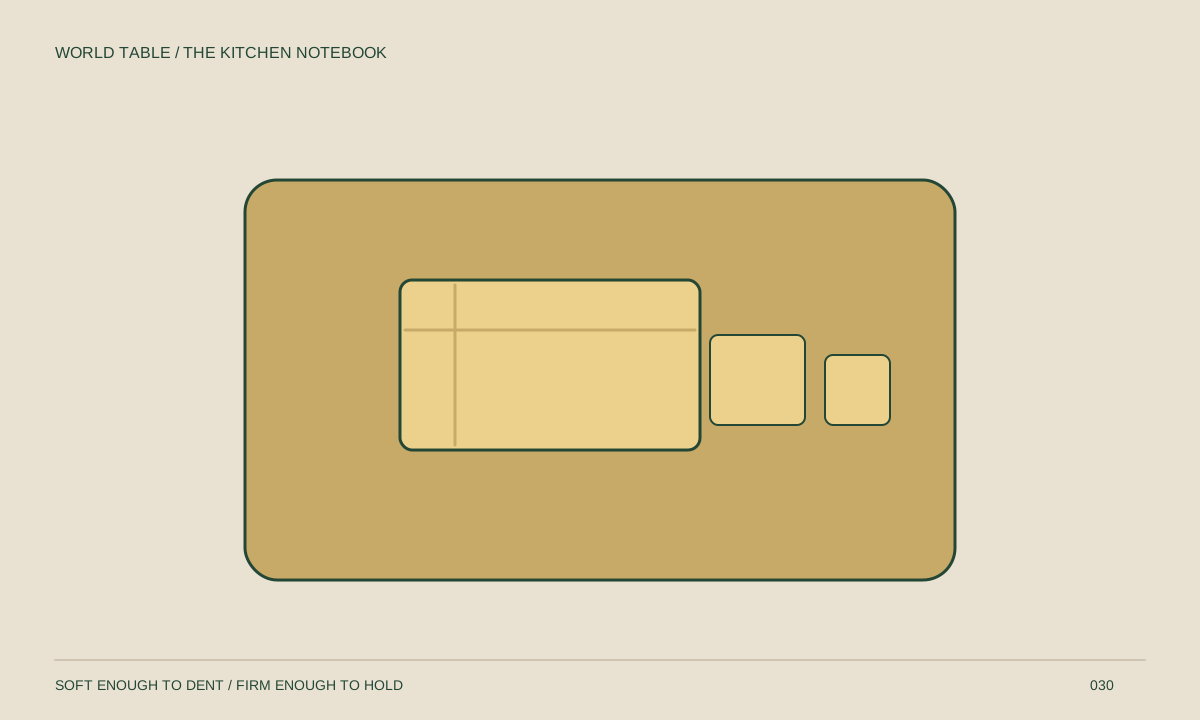
Press one piece gently with a clean finger or utensil. It should yield but remain recognizable and cool rather than greasy.
Use promptly
Continue with the recipe once the texture is right. Creaming time and final batter temperature also affect the result, so follow the rest of the method.
Use the microwave only with close attention
Different microwaves heat unevenly. Use low power and bursts of only a few seconds, turning or rearranging the pieces between checks. Stop before the edges liquefy. Do not heat a foil wrapper or a butter dish that is not microwave-safe.
If the butter partly melts, do not immediately call it softened and proceed. Chill until it is solid enough for the recipe, or use it in a recipe that actually asks for melted butter. The result may still differ if its structure has changed.
Avoid warming shortcuts that overshoot
Do not put butter directly on a hot radiator, burner or tray coming from the oven. Those methods warm the outside abruptly while leaving the center firm. Small pieces and observation are easier to control.
Salted and unsalted butter are also different choices. Softening does not remove salt or adjust water content, so follow the ingredient type as well as its temperature instructions.
A few useful answers
Can I replace softened butter with melted butter?
Only if the recipe permits it. They behave differently in creaming and can change the finished texture.
How long should it sit out?
There is no dependable universal time. The size of the pieces and room temperature determine when the texture is right.
Use the full recipe alongside these tips, and follow the stated care and safety limits of your equipment.