The quick answer
Start evenly sized potatoes in cold water, bring to a boil and reduce to a steady simmer. Begin checking small chunks after about 10 minutes and small whole potatoes after about 15 minutes; large whole potatoes take much longer. They are ready when a thin knife enters the center easily without a hard core.
In this guide
Size is more useful than one fixed time
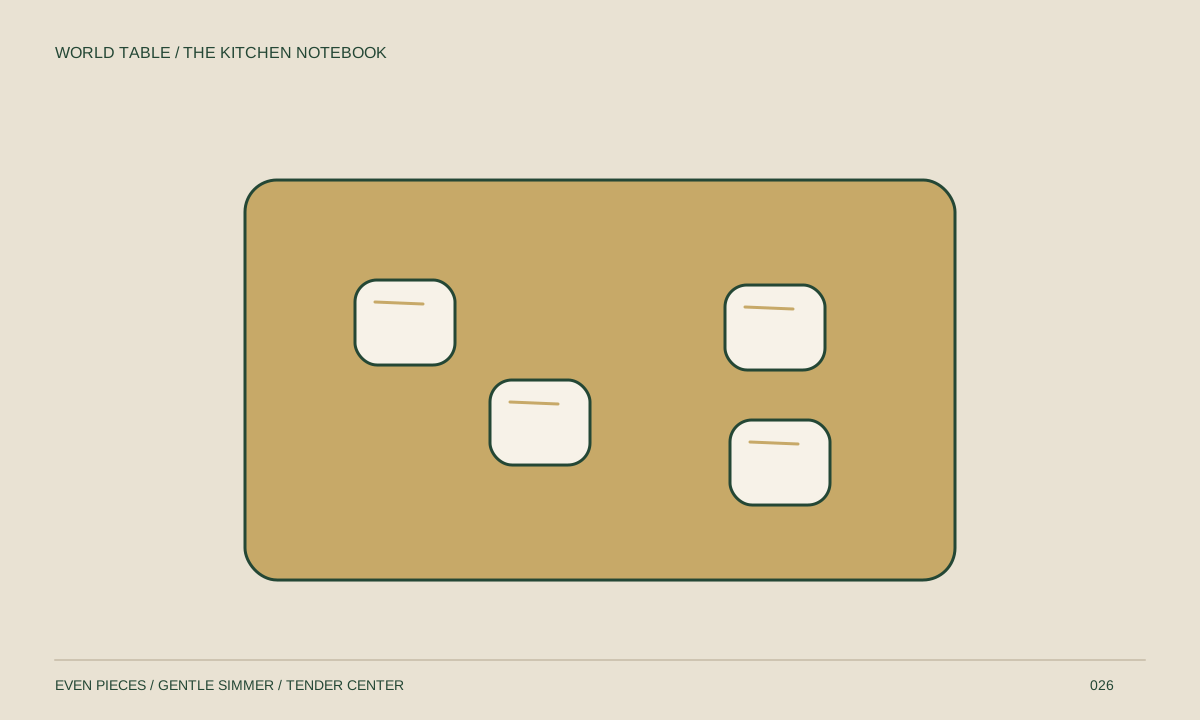
A large whole potato and a small cube cannot share a reliable timer. Choose the cut for the recipe, then make pieces as even as practical. For mash, peel if desired and use equal chunks; for salad, select potatoes that hold their shape and stop when just tender.
Wash potatoes before cutting. Trim small damaged areas and discard badly spoiled, extensively green or strongly bitter potatoes. Cooking is not a reliable remedy for problematic green potatoes.
Use timing as a checking window
| Potato shape | Begin checking after simmer starts | Useful cue |
|---|---|---|
| Chunks about 1 inch / 2.5 cm | 10-15 minutes | Center pierces easily |
| Larger chunks | 15-20 minutes | No firm core |
| Small whole potatoes | 15-20 minutes | Tender center, skin still intact |
| Medium or large whole potatoes | 25-40 minutes or longer | Check the largest potato through its middle |
A simple boiling method
Prepare even pieces
Peel or leave skins on according to the recipe. Cut larger potatoes to match smaller pieces rather than compensating by overcooking the small ones.
Cover with cold water
Put potatoes in a pan, cover by about 1 inch / 2.5 cm and salt to suit the dish. Cold water helps the exterior and center warm together.
Simmer steadily
Bring to a boil, reduce heat and simmer rather than maintaining violent bubbling. Check several pieces, including the largest, with a thin knife.
Drain and finish
Drain carefully away from steam. For mash, return briefly to a low burner to evaporate surface moisture before mashing. For salad, handle gently and cool appropriately before dressing.
Fix the next batch
If the outside crumbles while the center is firm, use smaller equal pieces and gentler heat. Waterlogged mash can result from overcooking or failing to drain well. For potato salad, tender-but-intact pieces are better than pieces cooked to the point of disintegration.
Do not rinse cooked potatoes automatically: that can remove useful starch and introduce water. Follow the final dish’s method. Refrigerate cooked leftovers promptly in shallow covered containers rather than leaving a large hot bowl on the counter.
A few useful answers
Do potatoes go into cold or boiling water?
Cold water is a useful default for evenly cooked whole potatoes and chunks. A specific recipe may use a different method for a particular result.
How do I know they are cooked without guessing?
Pierce the center of the largest piece. It should yield readily with no dense hard core; taste a cooled small piece if needed.
Use the full recipe alongside these tips, and follow the stated care and safety limits of your equipment.