The quick answer
For separate grains, choose a suitable long-grain rice, rinse when its instructions recommend it, measure water for that variety and keep the lid on during absorption cooking. Rest off the heat before fluffing. Short-grain rice is intentionally more cohesive.
In this guide
Choose the texture before choosing the method
Basmati, jasmine, short-grain and brown rice do not use one universal water ratio or cooking time. Follow the package or the recipe for the exact variety and method. A pilaf with vegetables and meat also has a different moisture balance from plain rice.
For a typical plain white basmati absorption method, a package may specify about one part rice to two parts water by volume. Other products specify less. Treat the manufacturer’s directions as the starting point instead of assuming that all long-grain rice needs exactly that amount.
Keep the process consistent
Measure and rinse
Use the same cup for the rice and water ratio. Rinse if the product recommends it, then drain well so uncounted water is not added.
Use a suitable pot
Choose a saucepan with a close-fitting lid. A very wide pan or leaking lid changes evaporation.
Cook gently under cover
Bring to the stated stage, then reduce to the gentle heat specified. Avoid repeatedly lifting the lid or stirring while the grains absorb water.
Rest before fluffing
After the stated cooking period, turn off the heat and rest covered, commonly 5–10 minutes for white rice when the method allows. Lift and separate gently with a fork.
Diagnose the result
| What you notice | What to change |
|---|---|
| Hard grains, no water left | Add a small amount of boiling water and continue gently under cover; review the original ratio. |
| Tender grains, water still pooled | Carefully drain if appropriate, or cook briefly as the method permits. Next time reduce water or check heat. |
| Soft, broken, mushy grains | Use them in a dish that suits softness; less water or less cooking may be needed next time. |
| Sticky short-grain rice | That may be the intended result, not an error. |
Handle cooked rice promptly
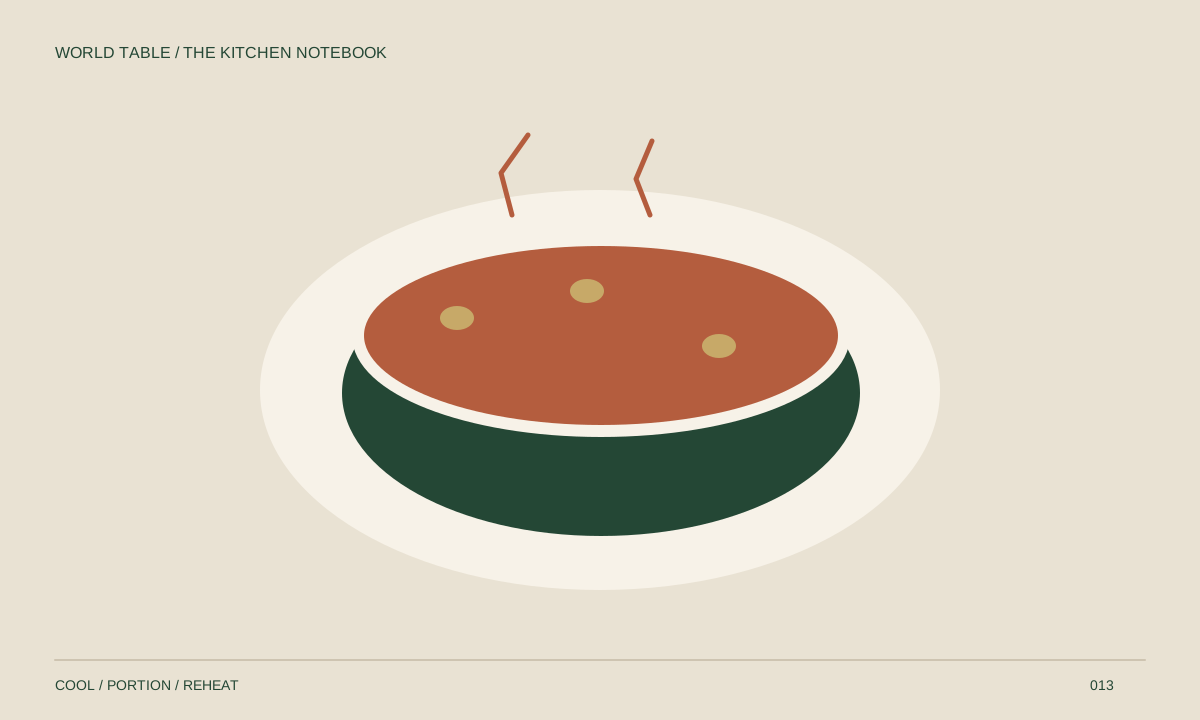
Serve rice when ready or cool it quickly in small portions and refrigerate promptly. Do not leave a covered pot at room temperature for hours. Refrigeration and reheating do not erase poor handling earlier in the day.
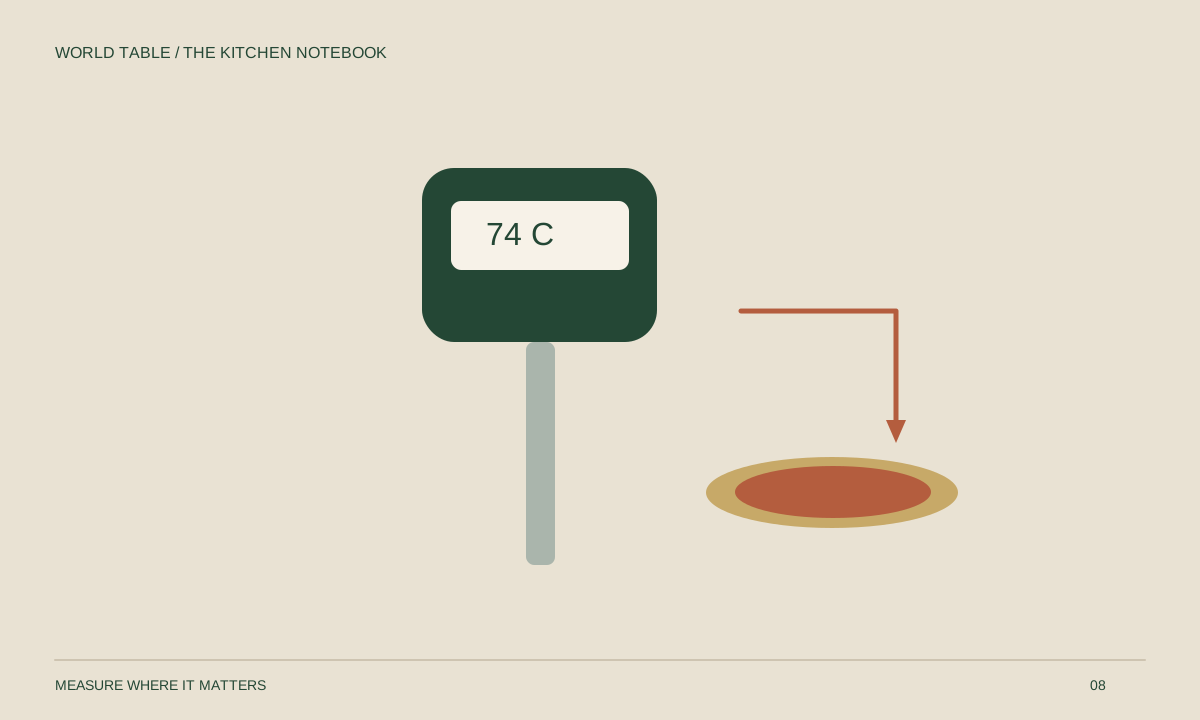
For a conservative meal-prep routine, use refrigerated cooked rice within 24 hours or freeze promptly in portions. Reheat only what you need until steaming hot throughout; follow your local food-safety guidance. For fried rice, use safely cooled and stored rice, not rice left out overnight.
A few useful answers
Should I stir rice while it cooks?
For most plain absorption methods, leave it undisturbed under the lid. Risotto is a different method.
Is every cup of rice the same weight?
No. Variety and measuring style differ. Use the recipe’s gram weight when given.
Use the full recipe alongside these tips, and follow the stated care and safety limits of your equipment.
Put it into practice