The quick answer
Start with the food you want to cook and how many portions should finish together. Compare usable basket area, overall dimensions, cleaning access and temperature controls. Quarts or liters describe volume, but do not tell you how many pieces fit in a single layer.
In this guide
Begin with three meals you actually cook
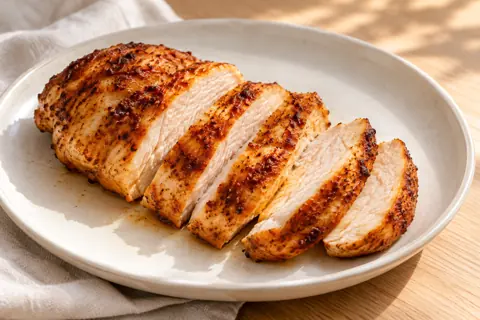
Write down a normal weekday meal, a quick snack and the largest batch you expect to make. A chicken breast, potatoes and vegetables each use space differently. If food must sit in one layer to brown well, a tall basket may not help as much as a broad one.
Capacity labels are not a precise promise of servings. Look at basket dimensions and the crisper plate, and compare them with the size of your ingredients. Decide whether cooking in two batches is acceptable before paying for a larger appliance.
Choose the format around your workflow
| Format | Useful when | Tradeoff to check |
|---|---|---|
| Single basket | You cook one component or do not mind batches. | Less flexibility for foods needing different times. |
| Dual basket | Two components need separate settings. | Each individual compartment can be narrower than expected. |
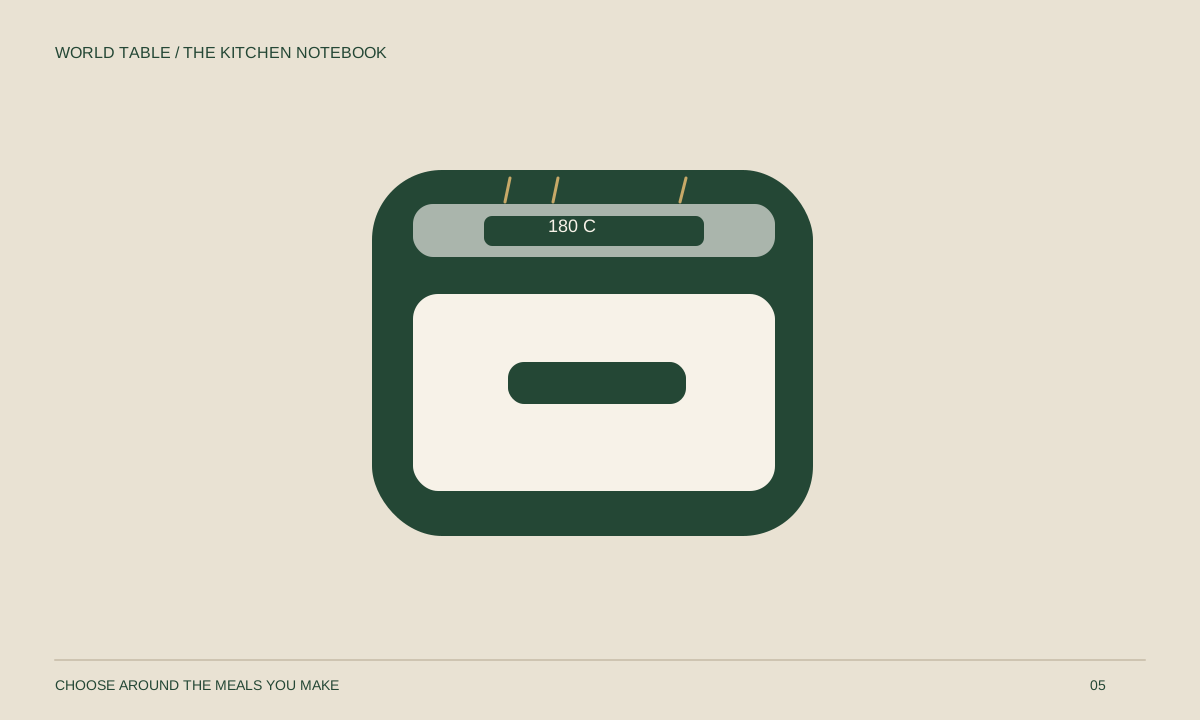
| Oven style | You want shelves, toast or room for flat items. | More surfaces to clean and possible tray rotation. |
Check these details before buying
- Footprint with the drawer pulled out, plus the maker’s ventilation clearances.
- Basket and crisper-plate cleaning instructions, coating care and spare-part availability.
- Manual time and temperature control that you can change while cooking.
- A handle and drawer that feel secure and are comfortable to lift when loaded.
- The correct electrical supply and plug for the country where you will use it.
- Whether accessories leave room for air circulation and are approved for that model.
Features that should not decide the purchase
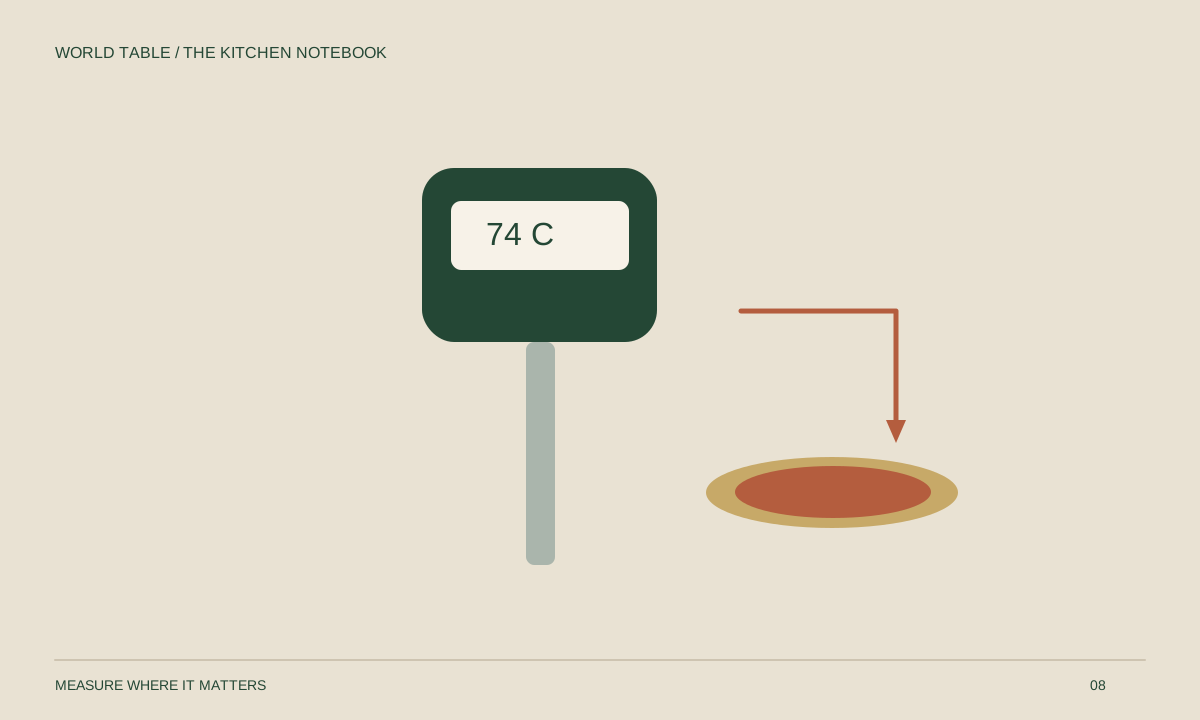
A long preset menu does not mean the appliance knows the thickness, temperature or quantity of your food. You still need to check progress and use a food thermometer for meat. A viewing window is convenient, but it cannot show the internal temperature of chicken.
Do not pay for a function you already use happily in another appliance unless it solves a real problem. App control is optional; convenient cleaning, reliable controls and adequate space will affect far more meals.
Use the first meal as a capacity check
Follow the manual for the first-use wash, preheating and loading. Start with a tested recipe and avoid packing the basket. Shake or turn food when instructed, check doneness and note the batch size that worked. Never insert loose parchment during empty preheating: airflow can lift it toward the heating element.
If the meal browns outside before cooking through, review thickness, temperature and loading rather than assuming a different preset will fix it. A thermometer and a small cooking notebook can be more useful than extra accessories.
A few useful answers
Is a larger air fryer always better?
No. Choose usable space for your meals and a footprint that fits safely on the counter.
Can I cook two foods at different temperatures?
A dual-zone model may offer that option. Check the model’s instructions and the usable size of each basket.
Care and appliance instructions vary by model. Use your product’s stated limits and the method that suits its material.
Put it into practice